Amazon Shares Slide: AI & Cloud Capex Weigh on AWS Growth Outlook

Amazon Shares Slide: AI & Cloud Capex Weigh on AWS Growth Outlook
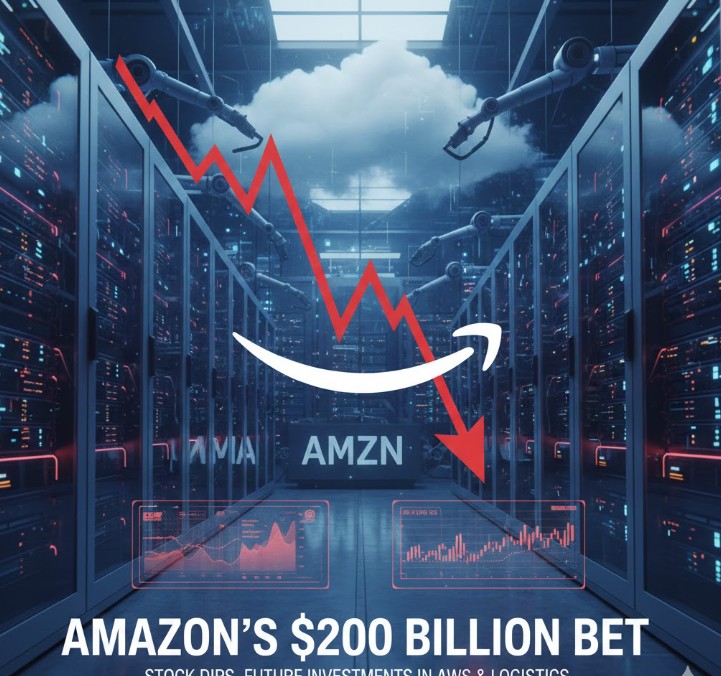
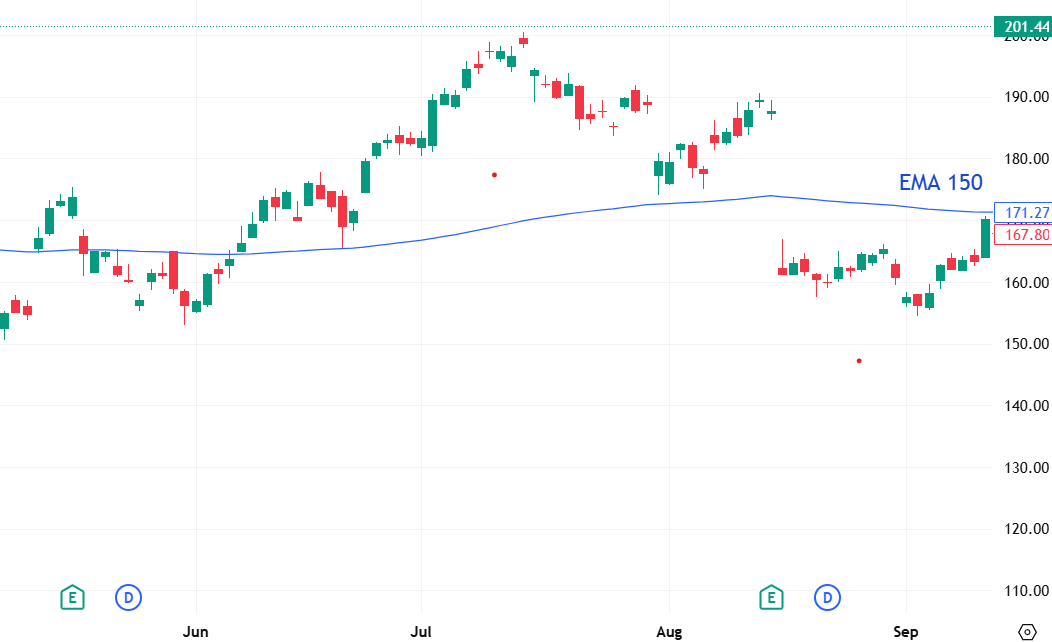
Amazon (AMZN) shares experienced a notable decline on February 5, 2026, as investors grappled with the e-commerce and cloud giant's substantial investments in artificial intelligence and cloud infrastructure. This market reaction, occurring amidst a broader tech sector sell-off, reflects growing investor scrutiny over the immediate financial implications of surging capital expenditures against the backdrop of an evolving growth outlook for its highly profitable Amazon Web Services (AWS) division and ambitious long-term targets.
Company Background and Recent Performance
Amazon.com Inc. has long transcended its origins as an online bookseller to become a global behemoth in e-commerce, cloud computing, and digital advertising. Its AWS segment, launched in 2006, has been the undisputed leader in the public cloud infrastructure market for over a decade, consistently delivering robust revenue growth and significant operating income that often offsets the thinner margins of its retail operations.
In recent years, Amazon has aggressively expanded its logistics network, diversified its product offerings, and made strategic inroads into new technologies. Prior to this sell-off, Amazon's stock had demonstrated resilience, fueled by strong holiday sales, increasing Prime subscriber engagement, and continued expansion in its advertising business, with AWS maintaining a solid, albeit moderating, growth trajectory.
The company reported healthy revenue gains in its most recent earnings, with AWS contributing over 60% of total operating income, underscoring its critical role in Amazon's financial health.
Detailed Analysis of the News Event and Its Implications
The core of today's investor concern revolves around Amazon's strategic pivot to significantly ramp up capital expenditure (capex) in AI and cloud infrastructure. While such investments are crucial for maintaining leadership in rapidly evolving tech sectors, the sheer scale of these outlays—reportedly reaching an estimated $70 billion for 2025, a substantial portion directed towards new data centers, GPUs, and AI research is causing apprehension.
Investors are weighing these "bold long-term targets" against potential short-to-medium-term impacts on free cash flow and profitability.
The market is particularly sensitive to the growth trajectory of AWS. While AWS continues to be a powerhouse, recent quarters have seen its growth rate decelerate from its pandemic-era highs, albeit still expanding at a healthy clip. The increased capex for AI is fundamentally an investment in AWS's future, designed to power generative AI services and maintain its competitive edge against rivals like Microsoft Azure and Google Cloud.
However, the immediate cost of this strategic pivot creates a narrative of heavy investment potentially diluting near-term earnings per share, especially as competition intensifies and enterprises optimize their cloud spending.
Furthermore, the news of Amazon's drop occurred within a broader "tech sell-off." This wider market sentiment, possibly driven by macroeconomic concerns such as persistent inflation, interest rate anxieties, or general risk aversion ahead of major earnings reports, exacerbated the stock's decline. When the broader market is shedding high-growth tech stocks, even fundamentally strong companies like Amazon can face downward pressure.
The market is demanding clearer visibility into the return on investment for these massive AI and cloud capex projects. Without immediate, tangible financial benefits, the perception of increased spending without proportional revenue acceleration can trigger a cautious response from investors.
Market Reaction and Analyst Commentary
The market's immediate reaction was a discernible dip in Amazon's stock, though analysts offered a mixed bag of commentary. Several prominent investment banks reiterated their "Buy" ratings, emphasizing Amazon's long-term strategic positioning.
"While the capex figures might seem daunting in the short run, Amazon is making the necessary investments to solidify AWS's dominance in the AI era," noted Sarah Chen, a senior analyst at TechInvest Research. "This is not merely spending; it's future-proofing one of the most valuable assets in tech." She highlighted that the current dip might present a buying opportunity for long-term oriented investors.
Conversely, some analysts expressed caution. John Davis of Global Wealth Management suggested, "The market wants to see more efficient capital deployment. The balance between aggressive growth investment and maintaining robust free cash flow needs careful monitoring. High capex without an immediate, clear path to accelerated revenue growth for AWS could keep a lid on valuation multiples in the near term."
The broader tech sell-off indicated a general de-risking trend, with investors consolidating profits from recent gains in high-valuation sectors. Volume on AMZN shares was notably higher than average, signaling significant institutional activity.
What This Means for Investors - Actionable Insights
- Long-Term Perspective: Those with a long-term horizon should view these substantial AI and cloud investments as critical for Amazon's sustained competitive advantage and future revenue streams. The company is positioning itself at the forefront of the generative AI revolution, which could unlock significant value for AWS and other segments in the coming years.
- Potential Opportunity: This might be an opportune moment for patient investors to accumulate shares on weakness, assuming confidence in Amazon's execution capabilities.
- Short-Term Caution: Short-term investors or those sensitive to free cash flow metrics should exercise caution. The elevated capex could indeed compress short-term margins and dilute earnings per share, potentially leading to continued volatility until clearer returns on these investments materialize.
- Monitor AWS Growth: It is crucial to monitor AWS's upcoming earnings reports for signs of reacceleration in growth and the impact of AI services on its revenue mix.
- Watch Macro Trends: Keep an eye on broader macroeconomic trends and the overall sentiment towards the tech sector, as these external factors can heavily influence Amazon's performance independently of company-specific news.
Professional Conclusion with Forward-Looking Perspective
Amazon stands at a critical juncture, navigating the imperative of aggressive innovation with the market's demand for financial prudence. The company's surging AI and cloud capex underscores a strategic commitment to fortifying its AWS segment's leadership and capitalizing on the immense potential of artificial intelligence.
While these investments are undeniably foundational for future growth and competitive resilience, they introduce short-term financial headwinds that the market is currently scrutinizing.
As Amazon prepares for its next earnings release, investors will be keenly watching for signs that these substantial capital outlays are beginning to translate into accelerated AWS growth and improved efficiency. The ultimate success of this strategy will hinge on Amazon's ability to demonstrate a clear return on its AI and cloud investments, proving that the short-term pain of heavy spending is a necessary precursor to long-term, sustainable value creation in an increasingly AI-driven global economy.
Amazon shares dropped due to investor concerns over the high capital expenditures in AI and cloud infrastructure potentially impacting near-term profitability, coupled with a broader tech sector sell-off ahead of upcoming earnings.