Asian Stocks Rally as U.S. Rebound Clashes with Rising Oil Prices

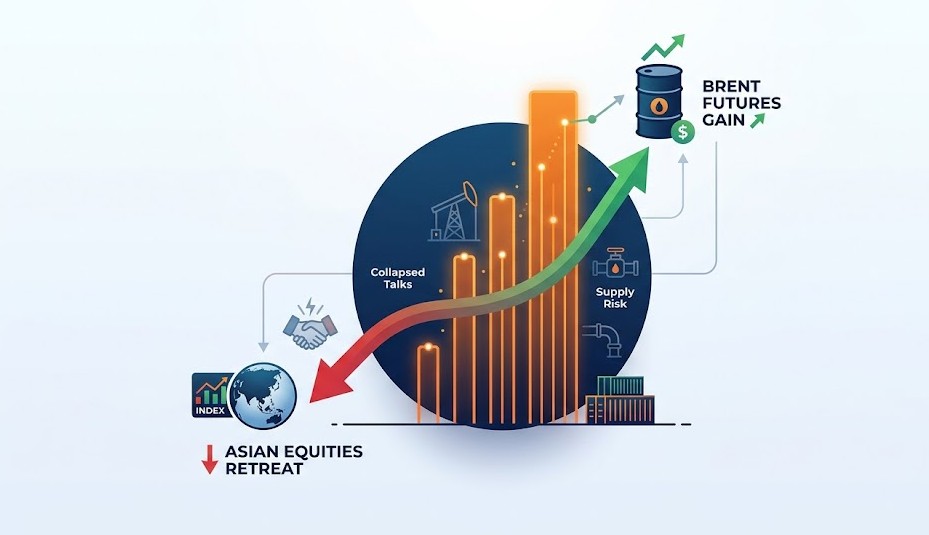
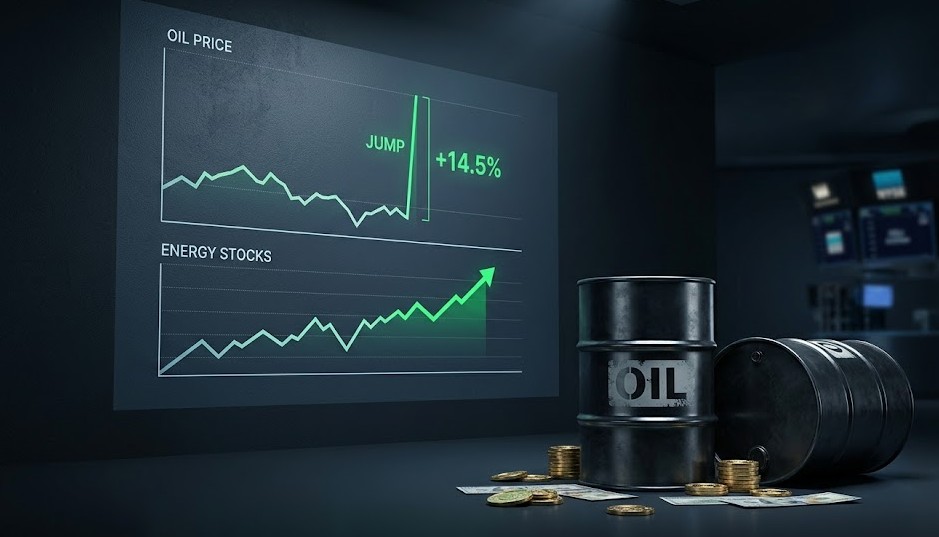
Asian shares jumped on Wednesday after U.S. markets rebounded, but gains were tempered as oil resumed its climb, highlighting a market grappling with geopolitics and commodity-driven inflation risks. U.S. benchmark crude rose 3.2% to $77.01 a barrel, underscoring how energy moves are driving cross-asset volatility and investor positioning.
Background and Recent Performance
This week markets have been dominated by uncertainty stemming from the conflict in the Middle East, with oil prices emerging as the primary barometer of risk appetite.
Asian equities took their cue from a U.S. session that saw stocks recover after a pause in oil’s spike and a set of encouraging American economic updates.
Globally, investors are watching several indicators for clues about the direction of markets:
- Oil benchmarks
- Interest-rate expectations
- Macroeconomic data
These variables influence earnings forecasts, consumer demand expectations and central bank policy outlooks.
Oil’s central role has re-emerged after a period of relative calm. West Texas Intermediate (WTI) benchmark crude’s advance to $77.01 per barrel represents a 3.2% one-day increase, a move large enough to affect transportation and industrial cost assumptions embedded in corporate forecasts.
For energy-sector equities, higher crude typically boosts revenue and cash-flow projections. For broader markets, it heightens inflation concerns and can tighten financial conditions if sustained.
Detailed Analysis of the News Event
The immediate driver for markets this week is geopolitical risk feeding through to oil prices.
Renewed tensions in the Middle East, coupled with periodic reports of supply disruptions, have reintroduced a risk premium into crude markets. That risk premium quickly feeds into:
- Corporate cost structures through higher input prices
- Fixed-income markets via rising inflation expectations
U.S. stocks’ rebound was credited by market participants to a pause in oil’s earlier spike and to encouraging U.S. economic updates referenced in reporting.
While specifics were not detailed in the initial report, such updates typically include data related to:
- Employment
- Consumer spending
- Manufacturing activity
These indicators suggest resilience in economic growth and reduce near-term recession concerns. Stronger growth can support risk assets, partially offsetting the negative impact of rising commodity costs.
However, the renewed rise in oil complicates that dynamic.
If oil’s advance is sustained, it can:
- Depress real consumer spending by raising energy and transportation costs
- Squeeze corporate margins in sectors with heavy fuel usage
Conversely, energy producers and integrated oil majors benefit from higher prices through improved free cash flow and increased capacity for dividends or share buybacks.
Market Reaction and Analyst Commentary
Equity markets displayed mixed reactions.
- Cyclical and commodity-linked sectors outperformed
- Rate-sensitive and high-growth stocks lagged
In Asia, export-oriented markets remain vulnerable to higher fuel costs, which increase shipping and production expenses.
Bond markets have also reacted to oil-driven inflation signals. Yields have tended to rise when crude spikes push inflation expectations higher.
Market strategists and analysts have generally adopted a cautious stance.
Energy-sector analysts note that a sustained move above the mid-$70s per barrel raises the probability of broader inflationary spillovers, particularly if prices remain elevated into the next quarter.
Fixed-income strategists warn that central banks may interpret persistent oil-driven inflation as justification for maintaining tighter monetary policy for longer, which would represent a headwind for equities.
What This Means for Investors Actionable Insights
- Reassess sector weights: Investors may consider overweighting energy producers or commodities hedges if they anticipate a prolonged period of higher oil prices. Integrated oil majors often provide leverage to rising crude prices and frequently return excess cash to shareholders.
- Protect real returns: Consider inflation-protected securities such as Treasury Inflation-Protected Securities (TIPS) or shorter-duration bonds to reduce interest-rate sensitivity if yields rise due to persistent commodity-driven inflation.
- Monitor corporate margins: Industries including transportation, airlines, logistics and heavy manufacturing face the greatest exposure to rising fuel costs. Investors should scrutinize earnings guidance and fuel-hedging disclosures.
- Maintain liquidity and hedges: Given heightened geopolitical uncertainty, maintaining tactical liquidity and using option-based hedges can help manage downside risk during periods of market volatility.
Investors with long-term horizons should differentiate between temporary price spikes and structural shifts in energy markets. A brief move above $80 oil that quickly reverses sends a very different signal than a sustained regime of elevated prices driven by supply constraints or prolonged geopolitical risk.
Conclusion and Forward-Looking Perspective
The market’s twin signals this week a U.S. equity rebound and a renewed climb in oil illustrate how quickly the balance between growth optimism and inflation anxiety can shift.
Oil’s move to $77.01 per barrel, alongside the 3.2% daily gain, serves as a reminder that commodities can reassert themselves as dominant drivers of risk-asset performance.
Investors should prepare for two-way volatility:
- Positive economic data can lift equities
- Persistent commodity-driven inflation can tighten financial conditions
Looking ahead, market focus will remain on:
- Incoming U.S. economic data
- Central bank commentary
- Developments in the Middle East affecting oil supply