Buy Vanguard Information Technology ETF (VGT) During Nasdaq Dip?

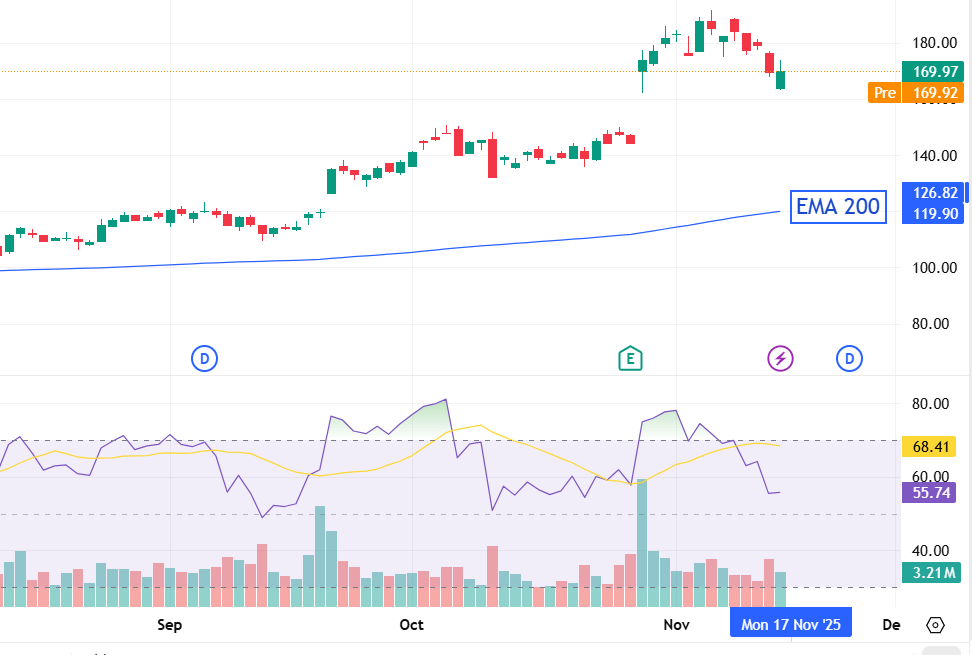
The recent Nasdaq+correction" title="More analysis on Nasdaq correction">Nasdaq correction has renewed investor interest in the Technology+ETF" title="More analysis on Vanguard Information Technology ETF">Vanguard Information Technology ETF as valuations across the technology sector reset lower following broad-based selling in high-growth stocks. As investors rotated away from growth-oriented names amid rising interest-rate concerns and macro uncertainty, VGT declined alongside the broader Nasdaq, creating debate about whether the pullback represents a long-term buying opportunity or the beginning of a deeper correction in technology equities.
The Vanguard Information Technology ETF is one of the most widely used technology-sector ETFs, offering diversified exposure to large-cap and mid-cap U.S. technology companies at a relatively low expense ratio. The fund is heavily concentrated in software, semiconductors, cloud infrastructure and hardware leaders, with major holdings typically including companies such as Apple, Microsoft and NVIDIA. Over the past decade, strong earnings growth, AI-driven demand and digital transformation trends helped technology stocks significantly outperform broader markets, making VGT a preferred long-term vehicle for growth-focused investors.
The latest correction was triggered by a combination of higher Treasury yields, shifting Federal Reserve expectations and profit-taking across richly valued growth stocks. Technology companies are particularly sensitive to interest-rate movements because their valuations rely heavily on future earnings growth. When yields rise, the present value of those future cash flows declines, pressuring price-to-earnings multiples across the sector. As a result, VGT underperformed during the selloff as investors rotated capital toward defensive sectors such as healthcare, utilities and consumer staples.
Despite the near-term weakness, the correction also lowered valuations across many of VGT’s holdings, improving the long-term risk-reward profile for investors willing to tolerate volatility. Several large-cap technology companies within the ETF continue to report strong free cash flow, resilient balance sheets and durable competitive advantages tied to cloud computing, artificial intelligence, cybersecurity and enterprise software adoption. Supporters of the bullish case argue that these secular growth drivers remain intact and that the pullback may provide more attractive entry levels compared with earlier periods of elevated valuations.
Market reaction during the correction reflected both fear and opportunity. Trading volumes in technology ETFs increased sharply as institutional investors rebalanced portfolios and retail traders attempted to buy the dip. Options-implied volatility across major Nasdaq components also rose, signaling heightened uncertainty around the near-term direction of growth stocks. Some active managers used the selloff to gradually add exposure to high-quality technology names, while more cautious investors reduced positions due to concerns that higher rates and slowing economic growth could extend pressure on the sector.
Analysts remain divided on the outlook. Bullish strategists point to historical patterns where major technology corrections eventually produced strong long-term recoveries as earnings growth normalized and investor sentiment improved. They also highlight continuing demand for AI infrastructure, semiconductor capacity and enterprise digitization as long-term catalysts supporting technology revenues. More cautious analysts emphasize concentration risk inside VGT, noting that a relatively small group of mega-cap stocks accounts for a significant portion of the ETF’s weighting. If those companies disappoint on earnings or face regulatory pressure, the ETF could experience outsized downside volatility compared with broader-market funds.
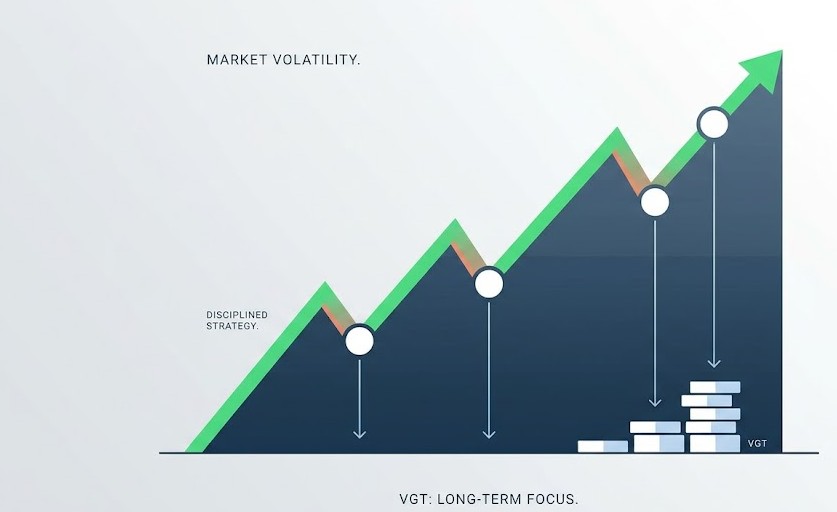
For investors evaluating VGT, time horizon and portfolio construction are critical. The ETF is generally better suited for long-term investors who can withstand short-term drawdowns tied to growth-stock volatility. Rather than making aggressive lump-sum purchases during uncertain market conditions, many investors may prefer phased buying strategies such as dollar-cost averaging to reduce timing risk. Monitoring macro indicators — particularly Treasury yields, inflation data and Federal Reserve guidance — remains important because these factors heavily influence technology valuations.
Risk management also matters. If the Nasdaq correction deepens into a broader bear market, VGT’s concentrated exposure to growth-oriented companies could lead to larger declines than diversified index funds. Investors should therefore avoid excessive concentration and ensure technology exposure aligns with their overall risk tolerance and investment objectives. Conservative investors may prefer blending VGT with broader-market or value-oriented ETFs to reduce sector-specific risk.
Historically, major technology corrections have often been followed by meaningful recoveries once earnings growth stabilized and market sentiment improved. However, each cycle differs depending on starting valuations, monetary policy conditions and economic growth expectations. Investors considering VGT should therefore focus less on short-term market timing and more on the long-term fundamentals of the technology sector, including AI adoption, cloud spending and enterprise software demand.
Overall, the Nasdaq correction has created a more balanced valuation backdrop for the Vanguard Information Technology ETF. For long-term investors seeking diversified exposure to secular technology growth trends, the recent pullback may offer an attractive opportunity to accumulate positions gradually. At the same time, continued macro uncertainty and concentration risk suggest that disciplined allocation sizing, diversification and risk management remain essential as volatility in the technology sector persists.