Cincinnati Financial Q1 Preview: Analysts See Triple-Digit EPS Growth
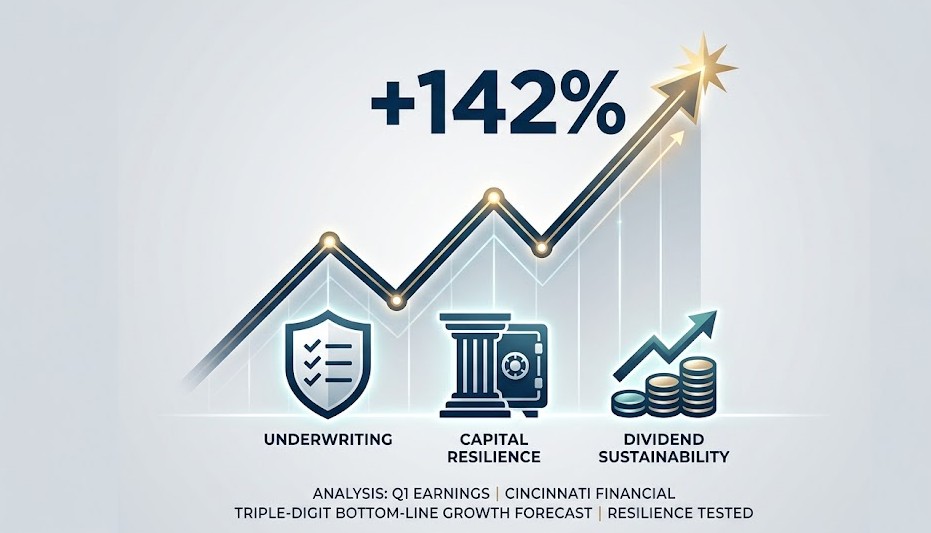
Cincinnati Financial Corp. is scheduled to report first-quarter results later this month, with analysts projecting a robust triple-digit year-over-year increase in bottom-line earnings. This outlook has drawn investor attention, as strong results could indicate improving underwriting margins and higher investment income for the property-casualty insurer.
Company Background and Recent Performance
Cincinnati Financial is a mid-cap property-casualty insurer known for its agent-based distribution network and conservative balance sheet. The company operates across both commercial and personal insurance lines while supplementing underwriting income with returns from its fixed-income investment portfolio.
Historically, the company has emphasized dividend stability and steady book value growth. In recent quarters, performance has been influenced by loss trends, reserve development, and interest rate movements. Higher yields have supported investment income, while underwriting results have varied across different segments and geographies.
Earnings Expectations and Key Drivers
Analysts expect significant year-over-year earnings growth, largely due to a weaker comparison base from the prior period, combined with stronger investment income and favorable reserve developments.
A triple-digit increase in net income signals a substantial improvement rather than incremental growth. However, investors will need to evaluate the underlying drivers to determine whether the performance is sustainable.
Key metrics to watch include net premiums written, combined ratio trends, reserve adjustments, net investment income, and any updates related to catastrophe losses or reinsurance activity.
Quality of Earnings Matters
The composition of earnings will be critical. If the increase is primarily driven by one-time factors such as reserve releases or realized investment gains, markets may view the results as temporary.
On the other hand, improvements driven by stronger underwriting performance, including lower loss ratios and better expense control, would indicate meaningful operational progress and could support a higher valuation multiple.
Management commentary on pricing discipline, exposure growth, and reinsurance strategy will provide additional insight into the sustainability of earnings.
Market Positioning and Analyst Focus
Insurance stocks often react ahead of earnings based on expectations around underwriting cycles and interest-rate-driven investment income. Analysts will closely monitor whether Cincinnati Financial updates its forward guidance and how it frames its outlook for the coming year.
Particular attention will be paid to book value per share trends and dividend coverage, especially given the company’s reputation for consistent shareholder returns.
Capital Allocation and Balance Sheet
Investors will also evaluate capital allocation decisions, including dividend policy, share repurchases, and overall capital strength. Cincinnati Financial has traditionally maintained a conservative approach, prioritizing dividend continuity and balance sheet resilience over aggressive buybacks.
Any indication of increased flexibility in capital deployment, such as accelerated share repurchases, could act as a positive catalyst. Conversely, signals that capital is being retained to address potential reserve risks or catastrophe exposure may limit upside.
Macro Considerations
Interest rate movements remain a key variable. Changes in rates affect both the valuation of existing fixed-income holdings and the yield on new investments, directly influencing investment income.
Additionally, catastrophe events or reserve adjustments in certain insurance lines could offset gains from higher yields, highlighting the cyclical nature of the insurance business.
Investor Takeaways
Investors should carefully analyze the breakdown of earnings, distinguishing between underwriting performance, investment income, reserve changes, and tax effects. Preference should be given to recurring improvements rather than one-time gains.
Monitoring the combined ratio and premium growth trends will be essential in assessing the durability of profitability. Balance sheet strength, including reserve adequacy and capital levels, will also play a key role in evaluating long-term stability.
Income-focused investors should confirm that dividend coverage remains solid and assess management’s stance on maintaining or increasing payouts.
Strategy and Positioning
A disciplined approach is recommended. Investors may consider trimming positions following strong rallies unless supported by sustained underwriting improvements. Conversely, selective additions may be warranted if results demonstrate consistent operational gains and prudent reserve management.
Diversification across insurers can help mitigate risks associated with catastrophe exposure and reserve uncertainty. Short-term traders may respond to earnings surprises and guidance, while long-term investors should focus on sustained margin improvement and capital discipline.
Conclusion and Forward Outlook
Cincinnati Financial’s upcoming earnings report will serve as a key indicator of whether recent improvements in investment income and reserve management are translating into durable earnings growth.
A combination of stronger underwriting performance, stable investment returns, and disciplined reserve practices would reinforce the company’s position as a steady dividend payer with potential for modest valuation expansion.
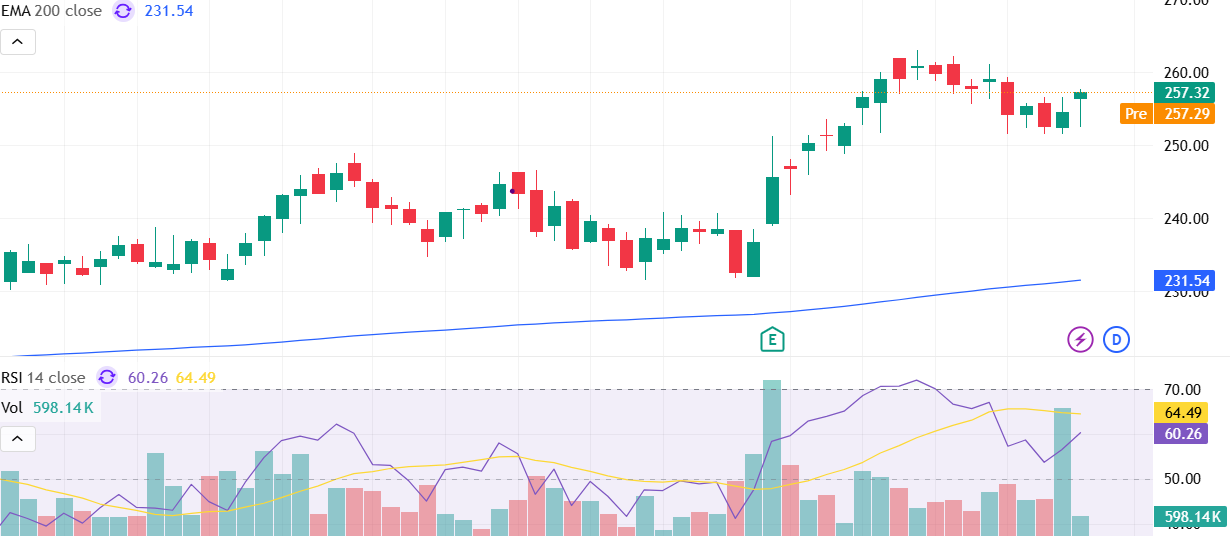
Shares have moved in anticipation of a strong earnings rebound, driven by expectations of higher investment income and favorable reserve developments.