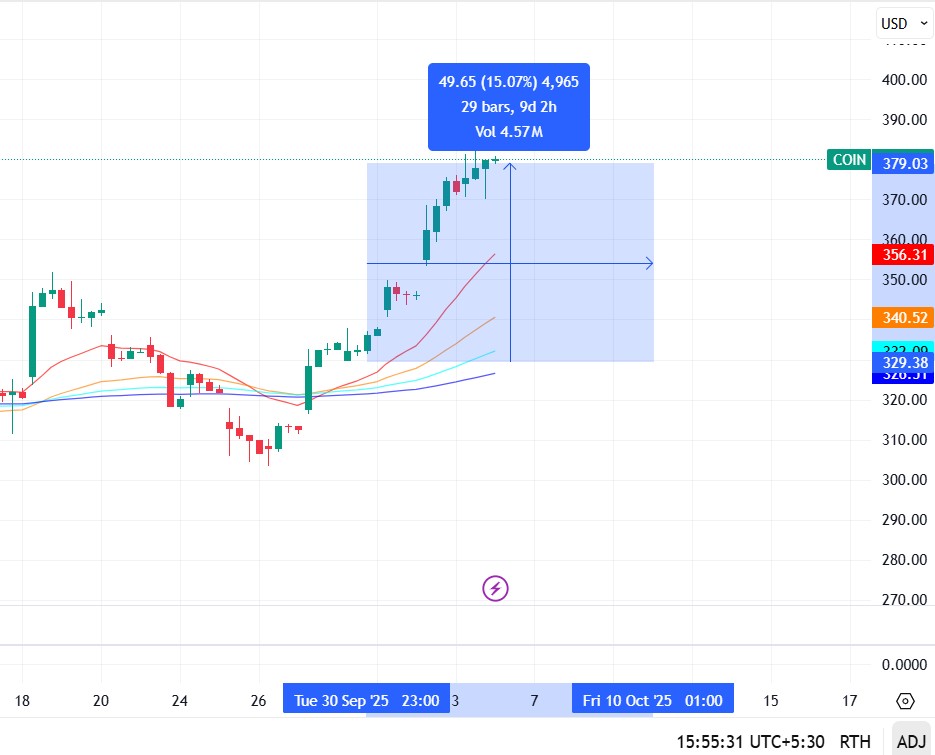
Coinbase Slides as Proposed Stablecoin Bill Rattles Crypto Stocks

Coinbase Global Inc. shares tumbled following newly proposed stablecoin-focused legislation, prompting investors to reassess regulatory risk across the crypto sector.
The bill, aimed at tightening oversight and reserve requirements for stablecoin issuers such as Circle, triggered a broader selloff in digital-asset-related equities.
Company Overview
Coinbase (COIN) is the largest U.S.-listed cryptocurrency exchange by:
- Trading volume
- Retail custody services
Its revenue streams include:
- Transaction fees
- Institutional services
- Custody and staking businesses
Since its direct listing in April 2021, Coinbase’s stock has remained highly correlated with:
- Bitcoin prices
- Overall crypto market sentiment
Business Model Evolution
In recent quarters, Coinbase has diversified beyond spot trading by expanding:
- Custody services
- Staking and yield products
- Institutional offerings
However, a significant portion of revenue remains tied to:
- Stablecoin activity
- Crypto on/off-ramp infrastructure
This exposure makes the company sensitive to regulatory changes in the stablecoin ecosystem.
Details of the Proposed Legislation
The proposed bill focuses on increasing oversight of stablecoin issuers through:
- Full-reserve backing requirements using safe liquid assets
- Regular audits or attestations
- Federal regulatory supervision
Given that USDC is one of the largest dollar-backed stablecoins, issuers like Circle and platforms such as Coinbase are directly impacted.
Key Concerns for Coinbase
The legislation raises two primary concerns:
1. Impact on Trading Volume
Stricter reserve rules could disrupt:
- Liquidity provisioning
- Market-making activities
This may lead to reduced trading volumes and lower fee revenue.
2. Higher Compliance Costs
New requirements could increase:
- Custody and reporting obligations
- Operational expenses
This may compress margins across stablecoin-related services.
Additionally, mandated reserve structures could alter how exchanges interact with stablecoin issuers and financial intermediaries.
Market Reaction
Crypto-related equities experienced heightened volatility following the news.
Investors began repricing regulatory risk, particularly for:
- Stablecoin issuers like Circle
- Platforms heavily integrated with stablecoins like Coinbase
The move reflects uncertainty rather than a structural change in Coinbase’s business model.
Analyst Perspective
Market participants emphasize that the long-term impact depends on:
- Final legislation details
- Implementation timelines
Two competing views have emerged:
- Positive outlook: Clear regulation may boost institutional adoption
- Negative outlook: Increased compliance costs may pressure near-term earnings
Investor Takeaways
1. Monitor Legislative Developments
Track:
- Committee hearings
- Amendments
- Voting timelines
These will determine the scale of impact.
2. Assess Revenue Exposure
Review:
- Trading volume linked to stablecoins
- Revenue share from stablecoin-related services
3. Prepare for Volatility
Consider:
- Position sizing strategies
- Hedging via options
4. Evaluate Counterparty Risk
Understand how custody and liquidity could be affected by new rules.
5. Scenario Planning
- Clear rules → Increased institutional confidence
- Strict regulation → Potential offshore migration of activity
Risk Factors
Key risks include:
- Regulatory uncertainty
- Increased compliance costs
- Reduced trading volumes
- Shifts in market liquidity
These factors could impact Coinbase’s revenue and profitability in the near term.
Outlook
In the short term:
- Expect continued volatility as legislation evolves
In the long term:
- Market direction depends on regulatory balance between:
- Consumer protection
- Market efficiency
Conclusion
Coinbase’s decline reflects a recalibration of regulatory risk following proposed stablecoin legislation.
While clearer federal rules could eventually benefit the crypto ecosystem, the transition period may introduce operational challenges and earnings pressure for exchanges like Coinbase.
Investors should stay informed, evaluate exposure to stablecoin-driven revenues, and apply disciplined risk management strategies.
Summary:
Coinbase shares fell as investors reassessed regulatory risk after proposed
legislation that would tighten oversight and reserve requirements for
stablecoin issuers, notably affecting USDC and platforms tied to it.