Ford Holds Steady Ahead of Q4 Results and 2026 Profit Targets

Ford Motor Co. (F) held its share price largely unchanged on Feb. 10 as investors looked past short term volatility and focused on the company’s upcoming fourth quarter earnings report and its path toward a 2026 profitability goal. The tone in the market reflected cautious optimism: traders wanted confirmation that recent operational changes and EV investments are beginning to translate into durable margins and free cash flow.
Company Background
Ford is one of the world’s largest automakers, with a broad lineup spanning internal combustion trucks and SUVs, commercial vehicles, and expanding electric vehicle offerings. Over the past several years the company has pursued a two track strategy defending profitability in its traditional combustion vehicle business while investing heavily in EVs and software enabled services. That pivot has required significant capital deployment, supply chain adjustments and product rebalancing.
Recent performance has been mixed. Ford reported improving wholesale volumes in key segments but faced margin pressure from raw material and logistics costs in prior quarters. Management has signaled progress on cost savings, platform consolidation and overhead reductions while warning that EV ramp costs and production learning curves could compress near term margins. With investors focused on sustainable profit recovery, the upcoming Q4 release is expected to provide updated metrics on adjusted operating income, free cash flow and updated guidance for 2026 targets.
The News Event
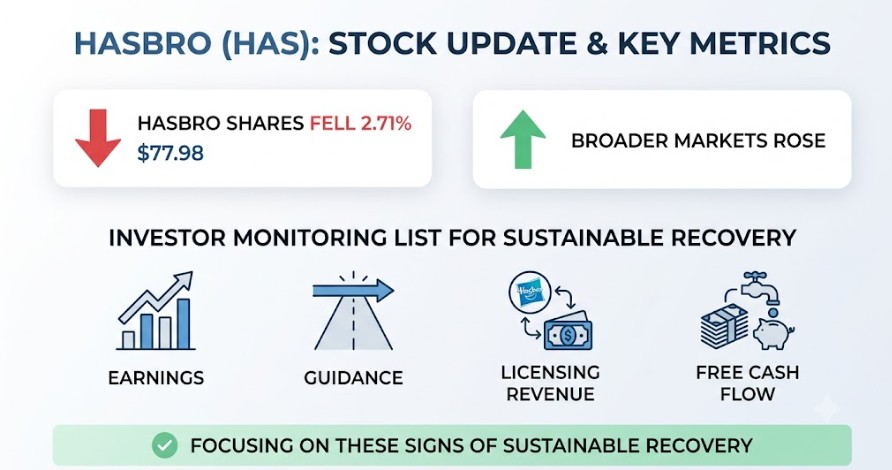
The market reaction, stocks “holding steady”, largely reflects the waiting game ahead of Ford’s quarterly release and any commentary on its 2026 profitability outlook. Investors are seeking evidence that the company can reconcile heavy EV capital spending with a return to consistent operating profits. Specifically, market participants will scrutinize unit economics on EV models, progress on reducing production costs, and conversion of operating improvements into free cash flow.
Implications of the Q4 report extend beyond one quarter. A beat on earnings or clear upward revisions to 2026 margin targets could validate management’s restructuring and product mix strategy, supporting a re rating of the stock. Conversely, weaker than expected results or softer guidance would raise questions about the timeline to profitability and could pressure shares. Ford’s ability to articulate a credible bridge between present investment levels and future cash generation is therefore central to investor sentiment.
Market Reaction and Analyst Perspectives
Analysts and institutional investors have tended to emphasize fundamentals over headline price moves. Sell side research notes have highlighted areas that will drive the next leg of performance: operating margin trends in North America, royalty and software service revenue growth, and capital expenditure discipline. Short term traders often wait for the quarter’s headline numbers and the earnings call transcript for management’s tone on supply constraints and margin recovery.
Several analysts are likely to focus on three quantifiable signals in the report: adjusted EBIT or operating margin, free cash flow for the period and any updates to long range guidance for 2026. These metrics will influence model revisions and target prices. Investors should also watch inventory levels and dealer channel dynamics, which can indicate demand elasticity for higher margin products like trucks and SUVs.
What This Means for Investors
Actionable insights center on three priorities.
First, prioritize cash flow and margin metrics over unit sales headlines, consistent free cash flow provides a firmer foundation for valuation.
Second, monitor management’s commentary on EV unit economics and capital allocation; clear timelines for cost reductions or margin inflection points will materially alter risk reward.
Third, consider position sizing around event risk: if you hold shares, evaluate whether your thesis depends on a near term margin rebound or longer term market share gains in EVs.
For income focused holders, Ford’s dividend and capital return policy should be evaluated against near term cash generation prospects. For growth oriented investors, the focus remains on execution of EV launches and monetization of software and services. For traders, the earnings event can produce elevated volatility, offering both entry and exit opportunities depending on confirmed surprises.
Conclusion
Ford’s steady trading ahead of Q4 results reflects market prudence, the company is at an inflection point where reporting concrete progress on margins, cash flow and 2026 targets will determine the next directional move. The upcoming earnings release and management’s guidance will serve as a litmus test for whether Ford’s dual strategy protecting combustion profits while scaling EVs can produce a durable financial improvement.
Investors should use the report to reassess assumptions about cash generation, capital spending and the timing of profitability improvements beyond 2026. The stock held steady because investors awaited Ford’s Q4 earnings and clarification on its roadmap to 2026 profitability before repositioning.