Historic $8.3B Institutional Outflow Sends Warning to Markets Now

Institutional Investors Send $8.3 Billion Warning to Wall Street
Institutional investors collectively sent a historic $8.3 billion warning to Wall Street, according to recent reporting, marking a significant net outflow from U.S. equity exposures.
That withdrawal is notable because it comes from the market’s most sophisticated participants, raising questions about liquidity, near-term volatility, and whether retail investors are properly positioned for a potential shift.
Background and Recent Performance
Institutional investors including:
- Pension funds
- Mutual funds
- Insurance companies
- Hedge funds
- Endowments
— account for the majority of daily trading volume and aggregate market capitalization in U.S. equities.
Their allocations influence the market through:
- Large block trades
- Rebalancing flows
- Portfolio tilts
In recent months, volatility has increased amid macro uncertainty and central bank signaling, prompting some institutions to reassess equity exposure and rebalance toward cash or fixed income.
The reported $8.3 billion outflow represents a large, concentrated move by professional managers and stands out relative to typical daily institutional flows.
Detailed Analysis: Why the Outflow Matters
A net institutional outflow of $8.3 billion is consequential for several reasons:
1. Market Impact and Liquidity
Institutions trade in larger blocks than retail investors, meaning the same dollar amount can exert heavier market impact. Large-scale sell pressure can:
- Widen bid-ask spreads
- Temporarily depress prices
- Amplify headline-driven volatility
2. Psychological Signaling
When professional allocators collectively reduce equity exposure, it may be interpreted as a risk-off signal. This can trigger:
- Momentum-driven selling
- Quantitative fund adjustments
- Algorithmic rebalancing
3. Destination of Funds
Where the capital moves is equally important.
- If proceeds shift to cash, short-duration bonds or Treasuries, it signals a defensive posture and could pressure growth-sensitive sectors such as technology and consumer discretionary.
- If the capital rotates into other equity sectors or geographies, the move may reflect reallocation rather than outright risk reduction.
The report does not fully detail where the $8.3 billion was deployed. Investors should monitor subsequent fund-flow disclosures and 13F filings for clarity.
Market Reaction and Analyst Commentary
Market reaction to large institutional flows is often swift but not always sustained.
On the day the outflow was reported:
- Broader indices may have experienced elevated intraday volatility
- Market makers likely absorbed larger-than-normal trade sizes
Equity strategists caution that while institutional outflows can precede short-term weakness, context matters. A single $8.3 billion move may significantly impact thinly traded segments or specific stocks, but it is less likely to permanently derail the broader market unless sustained over multiple reporting cycles.
Flow and liquidity analysts highlight potential outcomes, including:
- Increased bid-ask volatility
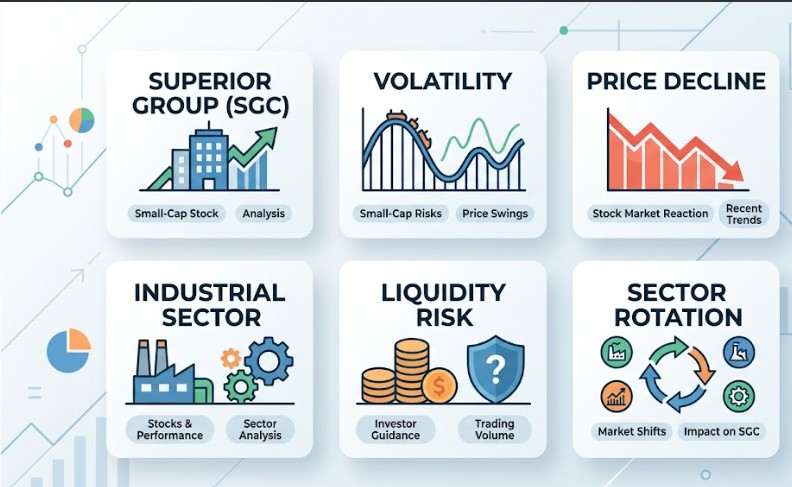
- Pressure on heavily owned small- and mid-cap stocks
- Sector repricing if funds migrate toward bonds
Portfolio strategists recommend monitoring:
- Yield curve movements
- Credit spreads
- Sector leadership shifts
Importantly, many institutional sell decisions reflect tactical rebalancing or profit-taking rather than permanent exits from equities.
What This Means for Investors: Actionable Insights
1. Review Liquidity Exposure
Investors in small-cap or thinly traded stocks should assess execution risk, as institutional sell pressure can widen spreads and increase transaction costs.
2. Monitor Flow and Positioning Data
Weekly mutual fund and ETF flow reports, 13F filings and margin data provide important context. A single outflow is meaningful, but trends matter more than isolated data points.
3. Reassess Concentration and Sector Bets
If institutions are reducing exposure to growth-sensitive sectors, consider trimming concentrated positions or employing hedging strategies to manage downside risk.
4. Consider Tactical Cash or Duration
Modestly increasing cash or short-duration bond allocations may reduce portfolio volatility without altering long-term investment objectives.
5. Maintain a Long-Term Framework
Institutional reallocations can create opportunities when fear expands risk premia. Disciplined dollar-cost averaging and systematic rebalancing remain prudent strategies.
Professional Conclusion and Forward-Looking Perspective
The reported $8.3 billion institutional outflow represents a cautionary signal rather than an outright alarm.
It underscores how aggregate positioning by professional allocators can quickly influence:
- Market liquidity
- Volatility
- Sector leadership
Investors should interpret the development as a prompt to reassess portfolio liquidity, concentration risk and hedging strategies not as a trigger for reactive decision-making.
In the coming weeks, markets will reveal whether the move was a tactical reallocation or the beginning of a broader de-risking trend. Monitoring follow-up flow reports, fixed-income demand and changes in implied volatility will be critical.
For disciplined investors, the episode argues for measured risk management while remaining prepared to capitalize on potential dislocations created by institutional selling pressure.
The stock market reaction reflected a reported $8.3 billion net institutional outflow, heightening liquidity concerns and prompting risk-off positioning.