Investors Brace as Iran Tensions Threaten Oil, Stocks, Shipping
Global Markets Brace for Oil Shock as U.S.-Iran Tensions Escalate
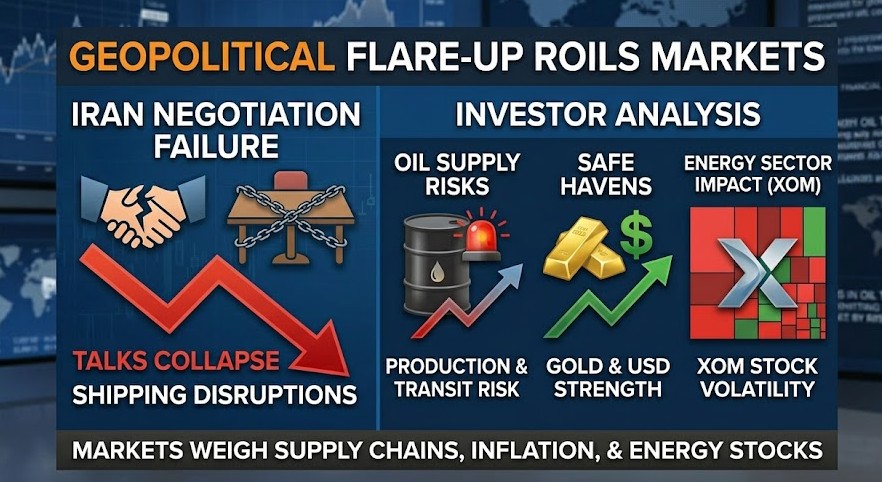
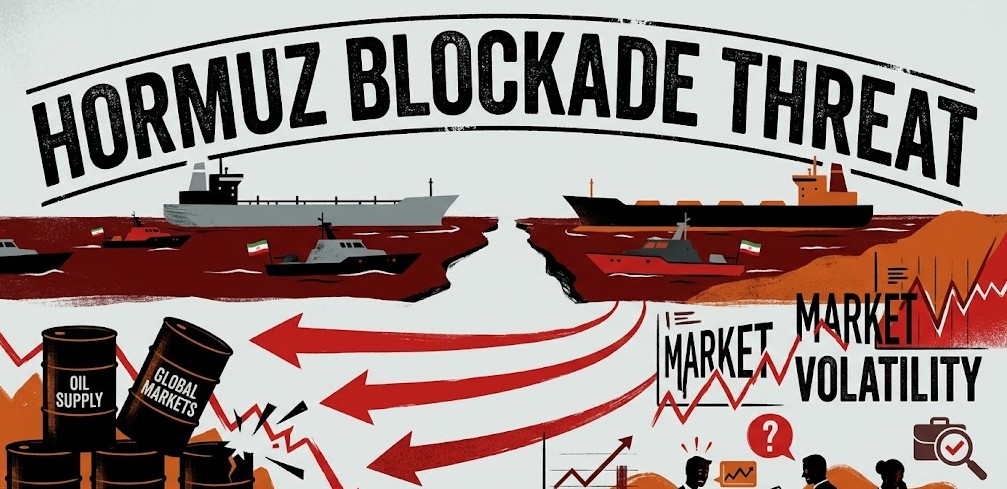
Global investors are bracing for renewed volatility after a breakdown in talks between the United States and Iran, with President Donald Trump's announcement of a blockade of the Strait of Hormuz raising the specter of disrupted crude flows and wider market dislocation.
The development follows a fragile ceasefire that had pushed equity markets higher and prompted the sharpest weekly drop in oil prices so far this year, and now threatens to reverse those moves as traders reassess risk.
While the original report did not single out a corporate issuer, Exxon Mobil (XOM) sits squarely in the crosshairs of any supply shock stemming from Gulf hostilities.
Exxon, one of the world's largest publicly traded oil companies, operates across upstream production, refining and chemicals, and its financial performance is correlated with both crude prices and disruptions to shipping routes.
Over recent months, energy+stocks" title="More analysis on energy stocks">energy stocks have been sensitive to swings in geopolitics. The sector underperformed earlier in the year during heightened fears but rallied briefly when the ceasefire reduced immediate supply concerns.
Strait of Hormuz Blockade Raises Supply Risks
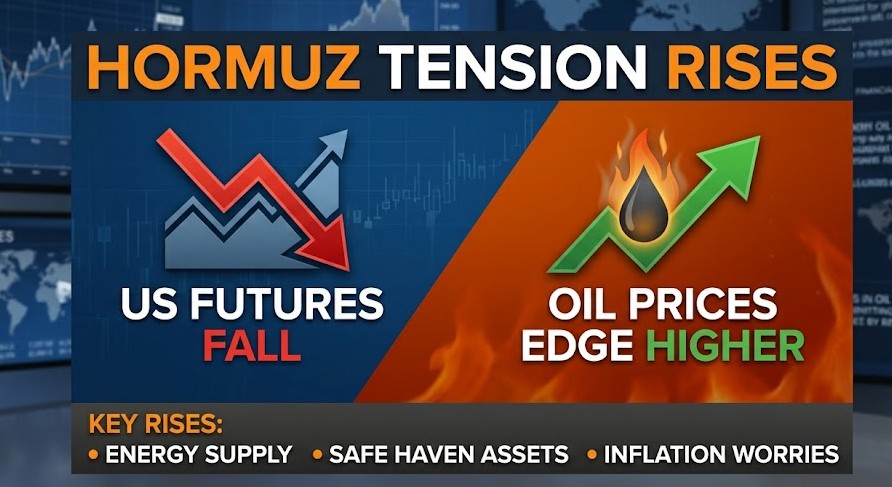
A U.S.-imposed blockade of the Strait of Hormuz would represent a material escalation. Roughly one-fifth of globally traded crude passes through the waterway in normal times, and any disruption can tighten global balance sheets and lift benchmark prices.
For oil majors, higher crude prices can translate into stronger upstream earnings and improved cash flow. However, a spike in volatility also raises operating and financial risks.
Insurance premiums for tankers would likely climb, shipping routes could lengthen around the Cape of Good Hope, and refineries dependent on specific feedstock grades could face supply mismatches that squeeze margins.
Markets React to Rising Geopolitical Risk
Markets reacted quickly to the breakdown in talks. Equity benchmarks that had climbed on signs of de-escalation pulled back as traders moved to trim risk, while commodity desks re-opened long positions in crude futures anticipating tighter supply.
Analysts at major brokerage firms told clients to expect wider trading ranges for Brent and West Texas Intermediate until a credible diplomatic path emerges.
Energy analysts also note that while a sustained rise in oil prices tends to benefit producer earnings, the accompanying macroeconomic shock, including higher fuel costs feeding into inflation and interest-rate concerns, can weigh on equity valuations across the broader market.
Investors Focus on Risk Management
For investors, the current environment calls for active risk management rather than passive complacency.
Those with significant exposure to integrated oil companies should closely monitor:
- Benchmark crude prices and futures market structures
- Tanker insurance and shipping cost indicators
- Geopolitical developments around maritime choke points
Hedging strategies, including put options on sector ETFs or selective short-duration futures positions, may help protect portfolios against abrupt drawdowns.
At the same time, long-term investors focused on fundamentals may view temporary weakness in shares of producers like Exxon as an opportunity to add positions, provided they are comfortable with heightened near-term volatility and have evaluated dividend coverage and balance-sheet resilience.
Exxon’s Diversified Model Provides Some Cushion
Exxon’s diversified cash flow profile helps cushion the company against short-term swings in any single geography, but the company is not immune to higher operating costs and logistics disruptions.
Refinery turnarounds, crew evacuations and rising freight rates can erode downstream margins even as upstream realizations improve.
Investors should monitor Exxon’s upcoming earnings commentary and guidance around capital spending and dividend policy, which will offer insight into management’s assessment of both cyclical opportunity and geopolitical risk.
Historical Precedent Suggests Sharp Market Swings
History shows that even limited disruptions in the Gulf can trigger outsized moves in energy markets and broader financial volatility.
Past episodes involving tanker attacks, sanctions or temporary chokepoint disruptions have at times pushed front-month crude futures into double-digit percentage moves within weeks. These events also triggered steep spikes in freight and insurance costs while driving sector rotations into energy and commodities.
Market structure, including positioning in futures markets and the scale of physical inventories, will determine how large and persistent price moves become during the current episode.
Tactical Positioning for Investors
Investors may consider a combination of defensive and opportunistic measures.
Defensive strategies include:
- Reducing exposure to economically sensitive cyclicals
- Increasing cash allocations
- Using options for downside protection
Opportunistic strategies include:
- Selectively buying weakness in high-quality dividend-paying energy companies
- Using call spreads to capture upside while limiting premium exposure
For investors holding integrated energy names such as Exxon, monitoring free cash flow per share, leverage metrics and capital allocation priorities will help determine whether near-term share moves reflect structural changes or temporary geopolitical risk premiums.
Central Banks Also Face Pressure
Central banks and fixed-income markets will also be watching developments closely.
A sustained rise in energy prices would add to headline inflation and complicate policy decisions for central banks attempting to balance growth risks with price stability.
That dynamic could compress equity multiples even if earnings in the energy sector improve. Currency markets may also experience flows into both safe-haven and commodity-linked currencies, while oil-importing emerging markets could face widening current-account pressures.
Conclusion
Markets are likely to remain highly sensitive to headlines as diplomatic channels attempt to re-open and military posturing evolves.
A prolonged blockade or material attacks on commercial shipping would likely be bullish for crude prices and supportive for near-term energy sector earnings, but negative for broader risk assets due to inflation concerns and potential central bank responses.
For prudent investors, the path forward involves maintaining liquidity, using diversified hedging strategies where appropriate, and recalibrating positions based on verified developments rather than social-media-driven headlines.
Exxon Mobil shares moved as investors repriced oil-supply risk and the company’s exposure to Gulf shipping disruptions following the breakdown in U.S.-Iran talks and blockade threats.