Markets Slide on Weak December Retail Sales; Walmart in Focus
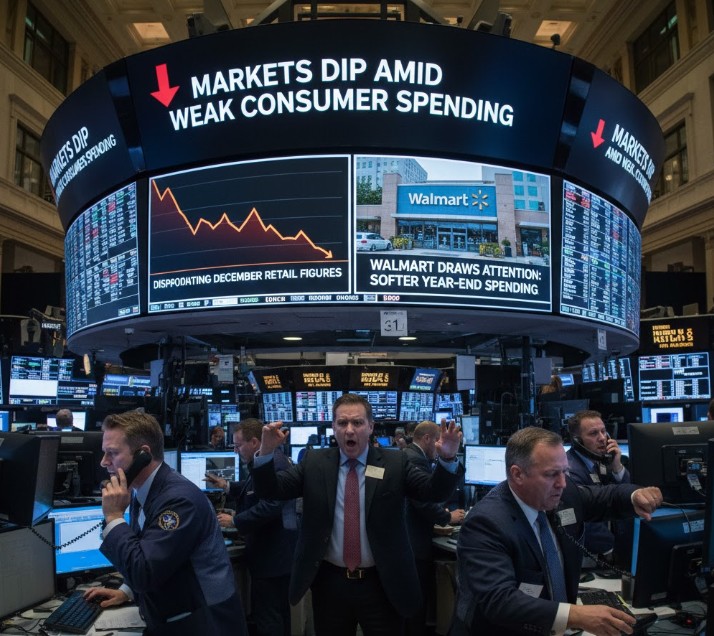
Lead U.S. equity markets slid on Feb. 10 after December retail figures fell short of expectations and corporate earnings produced mixed signals, putting consumer facing stocks under pressure. For investors, the data underscored a softer end to the holiday shopping season and raised questions about near term revenue momentum for large retailers, including Walmart (WMT).
Company background and recent performance
Walmart, the world’s largest retailer by revenue, operates more than 10,000 stores and extensive e commerce operations across the U.S. and internationally. The company has been a bellwether for consumer spending given its broad customer base, wide assortment and price competitive positioning.
Over the past year Walmart has reported steady sales growth driven by grocery and essentials, while its e commerce unit has posted gains as management invests in supply chain and fulfillment efficiencies. In recent quarters, Walmart’s same store sales and online comp figures have been closely watched for signs of discretionary spending trends.
Analysts have been scrutinizing margin pressure from wage inflation and freight costs, offset by price leadership and inventory management. As a result, the stock has traded on consumer data and guidance issued alongside quarterly results.
Detailed analysis of the news event
The December retail data released on Feb. 10 indicated slower than expected year end sales, a metric investors use to gauge holiday strength and consumers’ willingness to spend on discretionary items. When retail receipts underperform, large format, mass market retailers can be especially vulnerable because their revenue mix includes higher margin discretionary categories that drive profit expansion during the holiday quarter.
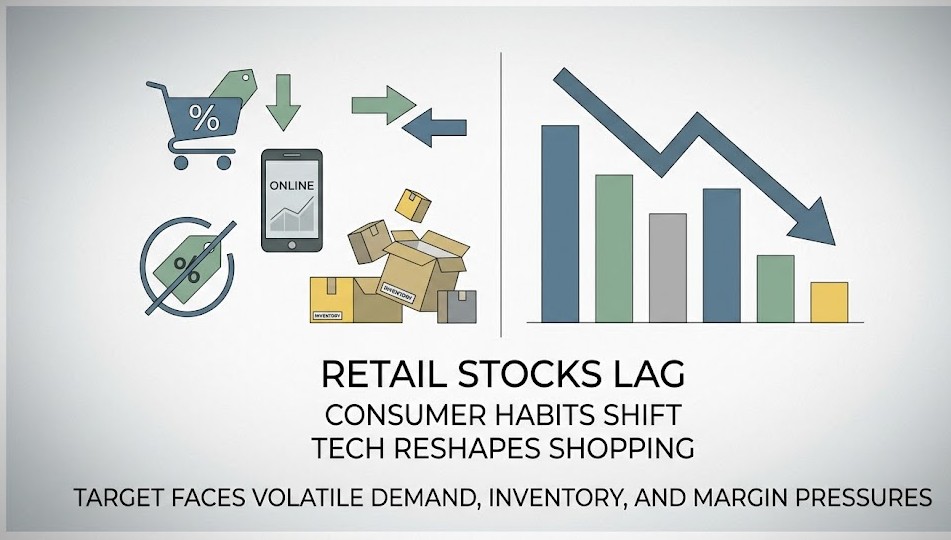
For Walmart, weaker December sales suggest two near term implications. First, revenue growth could decelerate if discretionary categories underperformed, pressuring top line beats relative to quarter expectations. Second, inventory turnover and promotional activity may increase as the company clears excess seasonal goods, which can compress margins if promotions are deeper than planned. Management commentary on guidance and inventory at the next earnings update will be critical for investors to assess the extent of any hit to profitability.
The broader market also digested mixed corporate earnings on the same day. Companies that had delivered upbeat results helped limit losses, but the combination of softer retail data and cautious forward commentary from select firms left investors reassessing growth assumptions for the first half of the year. In such environments, defensive names and staples often outperform as investors favor predictable cash flows over cyclical exposure.
Market reaction and analyst commentary
Equity markets reacted by trimming gains and moving toward risk off positioning, with retailers and consumer discretionary stocks among the underperformers. Analysts emphasized that a single month of weak retail sales does not necessarily herald a sustained consumer collapse, but they warned that persistent softness in holiday sales would warrant downward revisions to 2026 estimates for retail earnings.
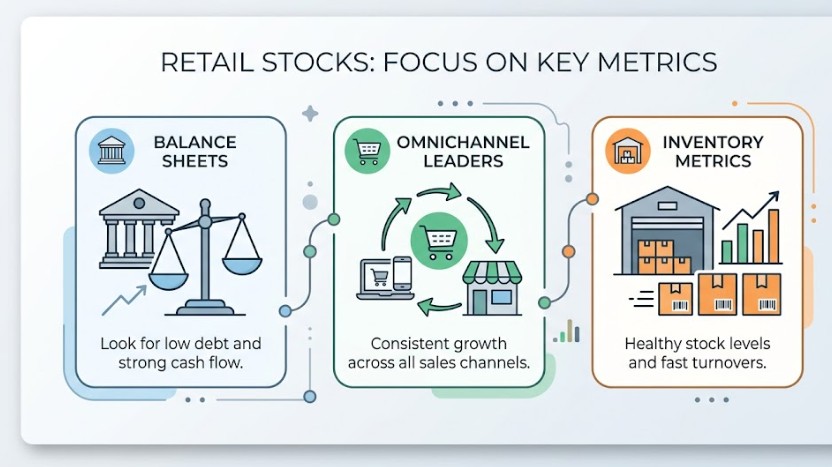
Retail analysts highlighted several near term variables to watch: same store sales comparisons, gross margin trends, inventory days on hand, and promotional cadence. Some analysts advised that Walmart’s diversified business mix and grocery heavy sales composition provide a partial buffer versus high end discretionary retailers, but they noted that even staples retailers are not immune to margin compression if promotional activity rises.
What this means for investors actionable insights
- Monitor Walmart’s next earnings report and management commentary closely, specifically guidance on same store sales and inventory position. These disclosures will reveal whether December’s weaker sales are idiosyncratic or part of a broader trend.
- Watch margin indicators such as gross margin percentage and promotional markdowns. Larger than expected markdowns could signal near term EPS pressure even if sales stabilize.
- Consider portfolio rebalancing toward companies with resilient, recurring revenue streams and strong free cash flow if retail softness persists; staples and high quality dividend payers may provide downside protection.
- Use weak retail data as a catalyst for selective buying if valuation gaps open for fundamentally sound names like Walmart, provided management demonstrates control over inventories and cost structure.
Professional conclusion and forward looking perspective
The Feb. 10 market dip following underwhelming December retail figures serves as a reminder that consumer trends remain a primary driver of near term equity performance. For Walmart, the key takeaway for investors is whether the company can offset softer discretionary demand with grocery strength and disciplined inventory management.
Short term volatility around retail releases should be expected, but longer term outcomes will hinge on earnings revisions, margin resilience and how quickly consumer behavior normalizes. Investors should focus on upcoming company level disclosures and macro indicators employment, wage growth and consumer credit to form a clearer view of retail earnings trajectories in 2026.
Stocks fell as December retail sales underperformed expectations, signaling softer consumer demand and prompting investor caution for retailers like Walmart.