Microsoft's Sharp Drop Rattles Markets, AI Stocks Face Pressure

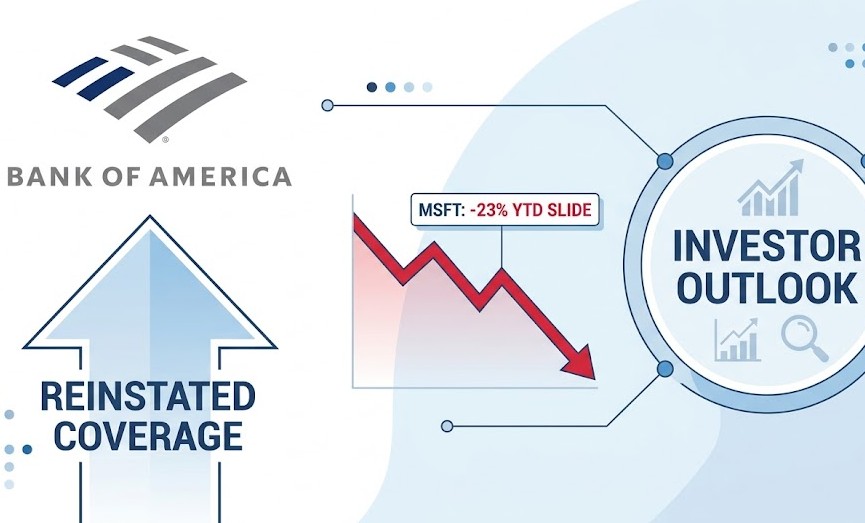
Asian markets experienced a notable downturn on Friday, mirroring the dramatic swings witnessed on Wall Street, where tech behemoth Microsoft (MSFT) registered its most significant single-day decline in nearly six years. This profound movement in one of the world's most influential technology stocks has sent ripples across global bourses, signaling a heightened level of investor caution and prompting a reevaluation of high-flying artificial intelligence (AI) related valuations. Microsoft's pronounced dip served as a potent catalyst, contributing to a broader risk-off sentiment that saw major Asian indices, including Tokyo's Nikkei 225, shed value. The incident underscores the fragility of market sentiment amidst rapid technological advancements and ongoing macroeconomic uncertainties, urging investors to scrutinize their portfolios and investment theses for resilience against increasing volatility. **Company Background and Recent Performance** Microsoft Corporation stands as a titan in the global technology landscape, with a diversified portfolio spanning cloud computing (Azure), enterprise software (Office 365, Windows), gaming (Xbox), and hardware. Under the leadership of CEO Satya Nadella, the company has successfully pivoted towards a cloud-first strategy, transforming its revenue streams and positioning itself at the forefront of digital transformation. In recent years, Microsoft's stock has been a formidable performer, consistently delivering strong financial results driven by the robust growth of its Azure cloud services and its pervasive software ecosystem. The company's aggressive investments and strategic partnerships in artificial intelligence, most notably with OpenAI, have further fueled investor optimism, positioning Microsoft as a leading player in the burgeoning AI revolution. This AI narrative has been a significant tailwind for MSFT, pushing its valuation to record highs and cementing its status as one of the world's most valuable companies. Investors have largely rewarded Microsoft for its innovation and consistent execution, making it a bellwether for the broader technology sector.
Detailed Analysis of the News Event and Its Implications
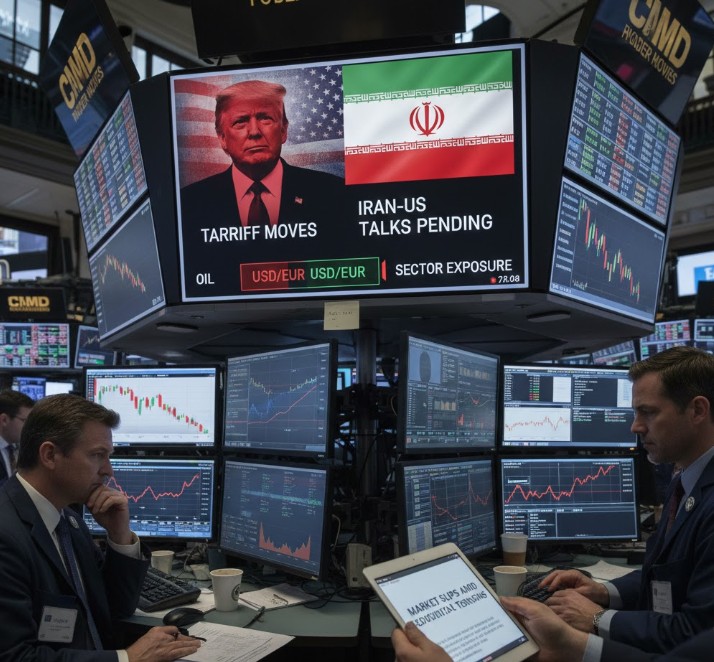
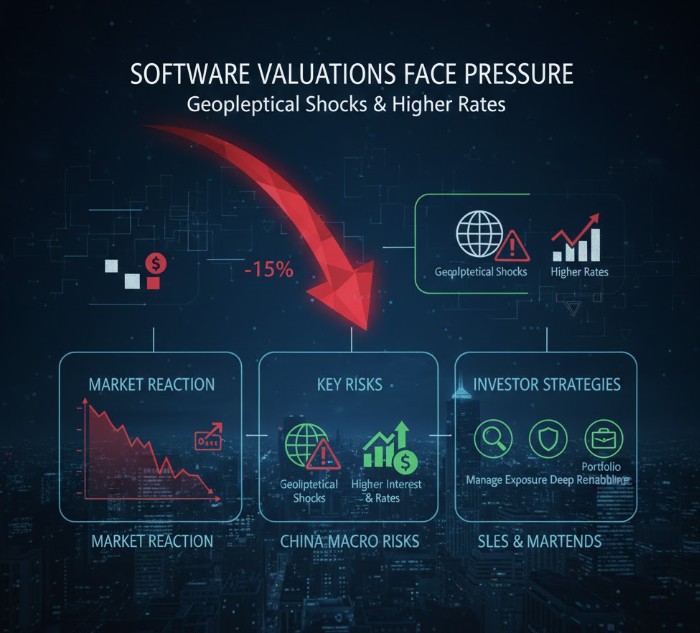
The immediate trigger for the market's apprehension was a "wild day on Wall Street" characterized by dramatic swings, culminating in Microsoft's worst performance in almost six years. While the precise catalyst for Microsoft's steep decline was not explicitly detailed, such a movement in a company of its stature typically reflects either significant profit-taking after a sustained rally, concerns over future growth prospects, or a broader re-assessment of market valuations in the technology sector. This sentiment quickly propagated to Asian markets. Tokyo's Nikkei 225, for instance, declined by 0.5%, with a specific mention of "stocks related to artificial intelligence" experiencing significant weakness. This indicates that the market's concern extends beyond a single corporate entity, pointing to a potential recalibration of expectations for the entire AI ecosystem. Investors might be questioning the sustainability of the rapid valuation expansion seen in AI-centric companies, especially in an environment where interest rate trajectories and inflation concerns continue to loom large. The decline suggests that the euphoric phase of AI investment might be giving way to a more pragmatic evaluation. The market could be entering a period where companies are increasingly scrutinized not just for their AI potential but also for their immediate profitability, competitive moats, and realistic pathways to monetizing AI innovations. This shift could impact companies across the tech spectrum, particularly those with less established revenue streams or highly speculative business models tied solely to AI development. **Market Reaction and Analyst Commentary** The negative spillover from Wall Street to Asian markets was palpable. Beyond the Nikkei 225's dip, the broader trend saw other regional benchmarks also trading lower. The softening in commodity markets, with oil prices falling more than $1 and gold and silver weakening, further underscored a pervasive risk-off sentiment. This widespread reaction indicates that investors are moving away from riskier assets in favor of safety, a common response to heightened market uncertainty. Financial analysts are likely to interpret this market behavior in several ways. Some might view Microsoft's dip and the subsequent weakness in AI stocks as a healthy, albeit sharp, correction for a market that may have become overheated. After significant gains, profit-taking is a natural occurrence. Others might express deeper concerns, suggesting that this could be an early warning sign of a broader market downturn, possibly linked to an impending economic slowdown or a reassessment of corporate earnings growth trajectories. Expert commentary would likely highlight the importance of distinguishing between short-term market volatility and the long-term transformative potential of AI. While the immediate reaction reflects apprehension, the underlying technological revolution driven by AI continues to evolve. However, analysts will also emphasize that not all AI-related investments will yield similar returns, advocating for careful selection based on robust business models and competitive advantages. **What This Means for Investors - Actionable Insights** For investors, the current market environment necessitates a strategic re-evaluation. The dramatic swings and Microsoft's significant decline serve as a stark reminder of market volatility and the potential for rapid sentiment shifts. Here are some actionable insights:
Reassess AI Exposure:
While AI remains a critical long-term theme, investors should scrutinize their exposure to AI-focused stocks. Evaluate companies based on their fundamental strength, existing profitability, and realistic path to AI monetization, rather than solely on speculative growth. * **Diversification is Key:
The broad-based decline across sectors and commodities highlights the importance of a diversified portfolio. Spreading investments across different asset classes, industries, and geographies can help mitigate the impact of sector-specific downturns. * **Focus on Quality and Fundamentals:** In uncertain times, companies with strong balance sheets, consistent cash flows, and proven track records tend to outperform. Prioritize investments in businesses with resilient operations and sustainable competitive advantages. * **Long-Term Perspective:** Short-term market corrections, even sharp ones, are a normal part of investing. Long-term investors should resist the urge to panic sell and instead view these periods as potential opportunities to acquire quality assets at more attractive valuations.
Stay Informed:** Keep a close watch on macroeconomic indicators, central bank policies, and corporate earnings reports. These factors will continue to influence market sentiment and sector performance. Conclusion with Forward-Looking Perspective
The recent market turbulence, spearheaded by Microsoft's notable dip and the subsequent pressure on AI-related stocks, underscores the delicate balance between innovation-driven optimism and market realities. While artificial intelligence undoubtedly represents a transformative technological wave with immense long-term potential, the market's current reaction suggests a transition towards a more discerning investment approach. Investors are urged to navigate this period with prudence, focusing on sustainable growth, robust fundamentals, and resilient portfolios. The "wild day" on Wall Street and its reverberations across Asia serve as a powerful reminder that even in an era of unprecedented technological advancement, traditional market dynamics, including profit-taking and valuation concerns, remain potent forces. The path forward will likely be characterized by continued innovation tempered by periods of recalibration, demanding vigilance and strategic foresight from all market participants. Microsoft's stock experienced its worst drop in nearly six years amid a day of dramatic swings on Wall Street, leading to a broader decline in AI-related stocks in Asian markets.