Nvidia's H1 Surge: Why Wall Street Sees More Upside in AI Rally

Nvidia Stock Surges Over 120% in H1 2026 as AI Demand Powers Record Growth
Meta Description: Nvidia stock gained more than 120% in the first half of 2026, fueled by booming AI chip demand, strong data center growth, and expanding cloud partnerships. Here's what investors should know.
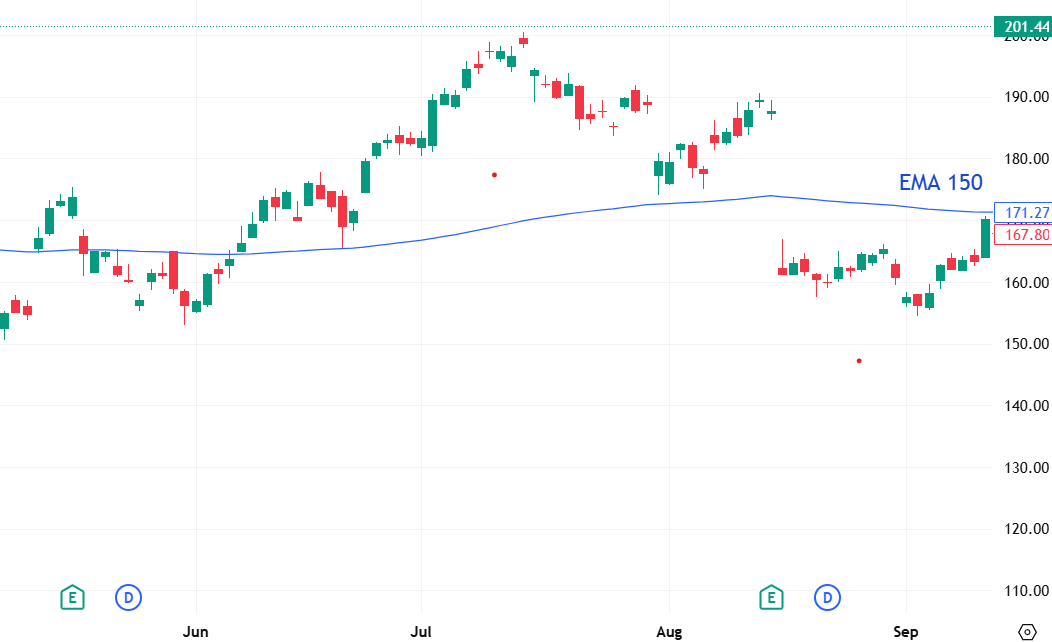
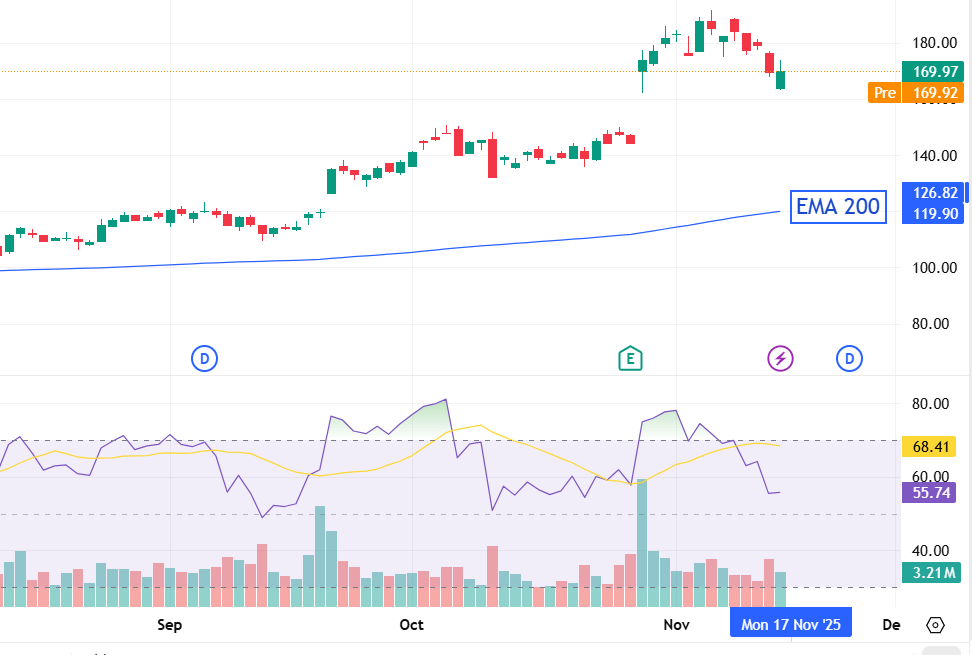
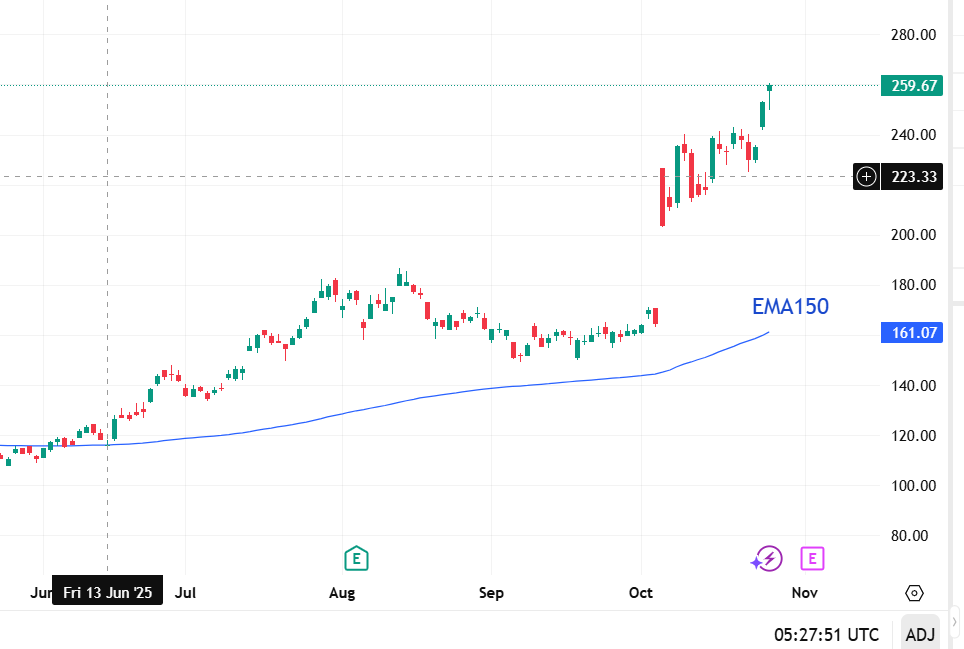
Nvidia Corporation (NASDAQ: NVDA) emerged as one of the biggest winners in global equity markets during the first half of 2026, with shares soaring more than 120% as unprecedented demand for artificial intelligence infrastructure continued to reshape the semiconductor industry.
The remarkable rally placed Nvidia well ahead of many large-cap technology companies and the broader S&P 500, reinforcing its position as the dominant player in AI hardware. Strong demand from hyperscale cloud providers, enterprise AI deployments, and next-generation data center investments has driven record revenue growth and expanding profit margins, prompting analysts to raise earnings estimates and price targets throughout the year.
While Wall Street remains overwhelmingly positive on Nvidia's long-term prospects, investors are increasingly debating whether the stock's extraordinary performance can continue or whether its premium valuation leaves little room for disappointment.
Nvidia Continues to Dominate the AI Infrastructure Market
Over the past several years, Nvidia has transformed itself from a gaming graphics company into the backbone of the global artificial intelligence ecosystem.
Today, its graphics processing units (GPUs) power:
- Large language model (LLM) training
- AI inference workloads
- Cloud computing infrastructure
- Enterprise AI applications
- Autonomous systems
- High-performance computing
- Scientific research
Major cloud providers continue investing billions of dollars into AI infrastructure, with Nvidia remaining the preferred supplier for many of the industry's largest deployments.
The company's accelerating data center business has become its primary growth engine, contributing an increasingly larger share of total revenue while supporting industry-leading operating margins and free cash flow generation.
This transformation has elevated Nvidia into one of the world's largest publicly traded technology companies, making it a core holding across institutional portfolios and AI-focused investment strategies.
AI Demand Continues Driving Exceptional Growth
The primary catalyst behind Nvidia's exceptional first-half performance has been sustained demand for generative AI infrastructure.
Companies across nearly every industry continue expanding investments in artificial intelligence, creating significant demand for high-performance GPUs capable of training and deploying increasingly sophisticated AI models.
Several structural trends continue supporting Nvidia's growth:
- Massive cloud infrastructure expansion
- Enterprise AI adoption across industries
- Growing AI inference workloads
- Rising investments from hyperscalers
- Increasing demand for AI software ecosystems
- Expansion of generative AI applications
- Continued modernization of global data centers
Improving supply-chain conditions have also allowed Nvidia to ship more high-end accelerators, while premium product offerings have further strengthened profitability.
The combination of higher shipment volumes and favorable product mix has significantly boosted earnings leverage, enabling the company to consistently exceed analyst expectations.
Strong Financial Performance Supports Bullish Outlook
Nvidia has reported multiple consecutive quarters of earnings beats as revenue growth continues exceeding market expectations.
Strong execution has been supported by:
- Accelerating cloud customer demand
- Higher average selling prices
- Expanding gross margins
- Improved production capacity
- Multi-quarter enterprise contracts
- Strong forward bookings
- Increasing software ecosystem adoption
Management has also highlighted expanding opportunities beyond AI model training.
Inference workloads, enterprise AI deployments, robotics, autonomous systems, digital twins, and AI software platforms represent additional long-term growth opportunities that could diversify revenue over time.
These developments have encouraged analysts to raise long-term revenue forecasts while maintaining bullish outlooks despite the stock's substantial appreciation.
Why Analysts Remain Optimistic
Many Wall Street analysts believe Nvidia still has meaningful upside despite its impressive gains.
Their bullish outlook is based on several factors.
Durable AI Spending
Enterprise AI investment remains in its early stages, with many organizations only beginning to integrate artificial intelligence into their operations.
Cloud providers continue announcing significant capital expenditure plans centered on AI infrastructure, supporting long-term GPU demand.
Expanding Cloud Partnerships
Nvidia continues strengthening relationships with leading hyperscale cloud companies, providing greater visibility into future revenue growth through multi-year infrastructure investments.
Product Innovation
Regular launches of next-generation GPU architectures continue improving performance while maintaining Nvidia's technological leadership.
Each new product generation strengthens competitive positioning and supports premium pricing.
Software Ecosystem
Beyond hardware, Nvidia continues expanding its software offerings, developer platforms and AI frameworks.
These software solutions create additional recurring revenue opportunities while increasing customer switching costs.
Valuation Remains the Biggest Risk
Despite strong business fundamentals, Nvidia's valuation continues attracting significant debate among investors.
The stock now trades at a substantial premium compared to many traditional semiconductor companies, reflecting expectations for sustained high growth over multiple years.
Premium valuations increase sensitivity to execution risk.
Potential challenges include:
- Slower enterprise AI spending
- Delays in product launches
- Manufacturing capacity constraints
- Supply-chain disruptions
- Export restrictions
- Increased competition
- Margin compression
- Cloud capital expenditure slowdowns
Even minor disappointments in quarterly guidance could trigger elevated volatility given the market's high expectations.
Competition Continues to Intensify
Although Nvidia remains the clear leader in AI hardware, competition continues increasing.
Major cloud providers are investing in proprietary AI accelerators designed to reduce dependence on third-party hardware suppliers.
Traditional semiconductor companies are also introducing new AI-focused products across GPUs, AI accelerators and custom silicon.
While Nvidia currently maintains significant advantages in performance, software compatibility and developer adoption, investors should continue monitoring competitive developments that could influence long-term market share.
What Investors Should Watch Next
Several factors will determine whether Nvidia can maintain its leadership over the coming quarters.
Key metrics include:
- Data center revenue growth
- Gross margin trends
- Cloud customer spending
- Enterprise AI adoption
- Forward bookings
- Production capacity expansion
- GPU shipment volumes
- AI software revenue
- Capital expenditure guidance from hyperscalers
- Management outlook
Investors should also closely monitor geopolitical developments, particularly export restrictions affecting advanced semiconductor sales, as these could influence future revenue opportunities.
Investment Perspective
For growth-oriented investors, Nvidia remains one of the strongest pure-play investments in artificial intelligence.
Its leadership across AI hardware, expanding software ecosystem, and deep relationships with cloud providers position the company to benefit from what many analysts view as a multi-year transformation of enterprise computing.
However, the stock's premium valuation requires disciplined portfolio management.
Long-term investors may consider gradually building positions through dollar-cost averaging to reduce timing risk during periods of heightened volatility.
Diversification also remains important. While Nvidia may continue benefiting from AI adoption, limiting concentration in any single stock can help reduce portfolio risk if market sentiment changes unexpectedly.
More conservative investors seeking AI exposure with lower company-specific risk may prefer diversified semiconductor or technology ETFs instead of relying solely on Nvidia.
Outlook
Nvidia's remarkable 120%+ gain during the first half of 2026 reflects more than investor enthusiasm—it highlights the accelerating global shift toward artificial intelligence infrastructure.
Strong cloud demand, expanding enterprise adoption, premium AI products and consistent financial execution continue supporting the company's long-term investment thesis.
Nevertheless, future returns are unlikely to depend solely on AI excitement. Investors will increasingly focus on revenue growth, margin expansion, production capacity, customer spending and competitive positioning to determine whether Nvidia can justify its elevated valuation.
For long-term investors, Nvidia remains one of the defining companies of the AI era. Maintaining disciplined position sizing while closely monitoring quarterly execution, cloud investment trends and product innovation will be essential for navigating what is likely to remain one of the market's most closely watched growth stocks.