Oil Climbs After U.S.-Iran Talks Collapse; Asian Stocks Fall
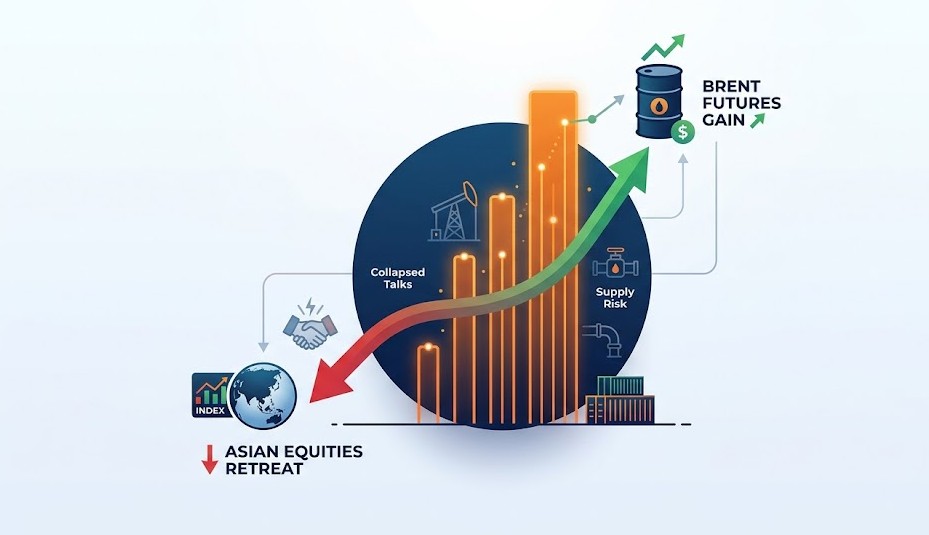
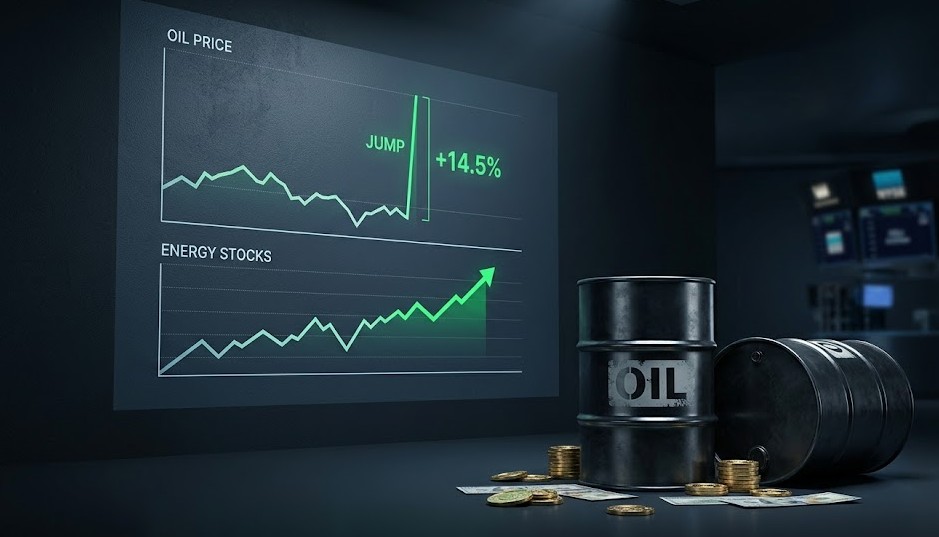
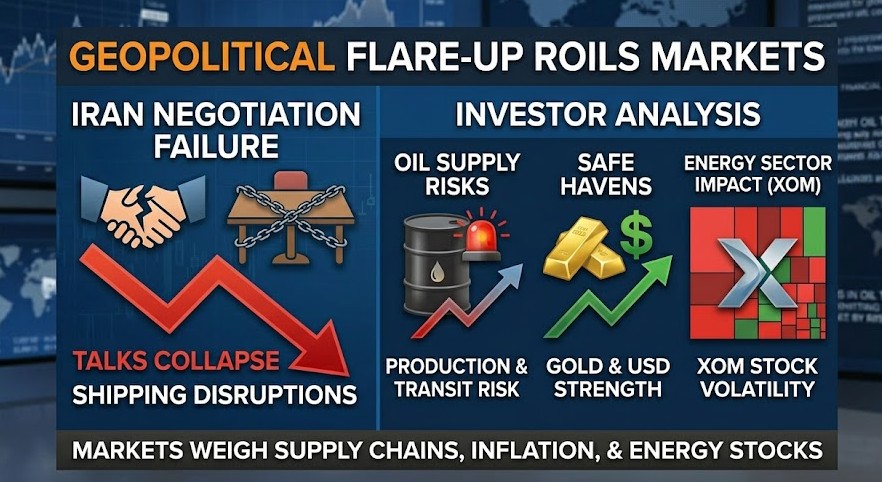
Oil prices climbed on Monday after U.S.-Iran peace talks collapsed over the weekend, reviving investor concerns about potential supply disruptions and a broader escalation in the Middle East.
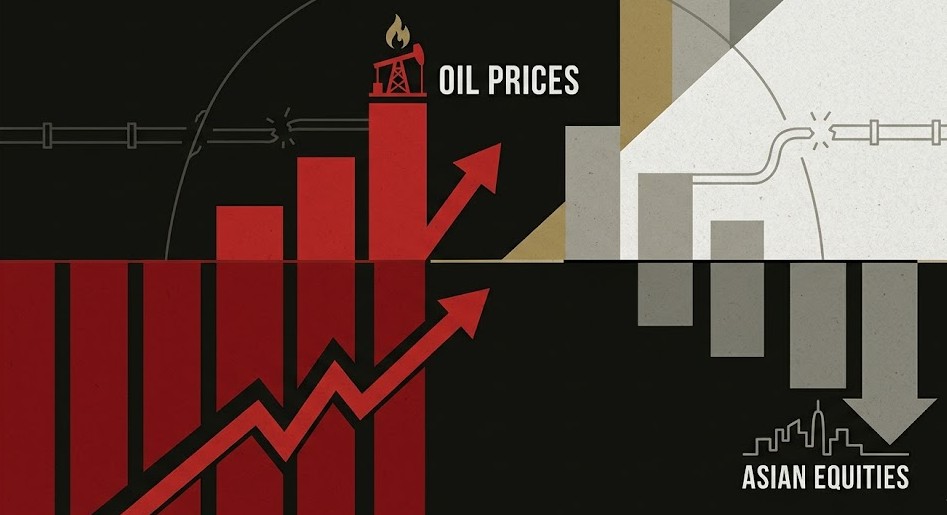
Asian equities declined in response as risk sentiment deteriorated, prompting investors to rotate into energy assets and traditional safe-haven positions.
Brent Crude Remains Volatile Amid Geopolitical Risks
Brent Crude futures have traded with heightened volatility for several months amid a combination of supply-side constraints, demand uncertainty and geopolitical tensions.
Since the start of the year, oil markets have periodically priced in tighter supplies as OPEC+ production discipline and limited spare capacity intersected with uneven refinery activity and resilient demand across parts of Asia.
The collapse of talks between Washington and Tehran follows multiple diplomatic efforts aimed at reducing regional tensions and stabilizing global energy flows. Markets had initially reacted positively to hopes of a diplomatic breakthrough, but the breakdown in negotiations has now reversed part of those gains.
Supply-Risk Premium Returns to Oil Markets
The failure of U.S.-Iran negotiations has reintroduced a meaningful geopolitical risk premium into global oil markets.
Iran remains a major crude producer and a critical geopolitical player in the Middle East. Any renewed confrontation, sanctions escalation or shipping disruption could reduce flows through key maritime chokepoints, increase tanker insurance costs and complicate global shipping logistics.
Traders typically respond to these risks preemptively by bidding up futures contracts to reflect the possibility of tighter physical supply conditions.
Two major transmission channels are currently driving market concerns:
- A direct reduction in Iranian exports or retaliatory actions affecting neighboring producers could tighten already fragile global supply balances
- Rising geopolitical uncertainty increases demand for speculative and hedging activity in oil futures markets, amplifying price swings beyond underlying fundamentals
Markets React as Investors Reduce Risk
Energy trading desks reported stronger buying interest in both Brent and West Texas Intermediate crude contracts following the collapse in talks.
Physical oil markets also showed signs of tightening, with prompt backwardation narrowing in some cargo markets, a signal traders use to gauge near-term supply conditions.
Meanwhile, Asian equity markets, particularly export-heavy benchmarks in Japan, South Korea and Southeast Asia, moved lower as investors priced in higher shipping costs, elevated insurance premiums and increased uncertainty around global supply chains.
Commodity strategists and regional brokerage analysts noted that the reaction follows historical market patterns. Geopolitical events threatening Middle East energy flows have traditionally pushed oil prices higher while pressuring broader risk assets.
Several analysts cautioned that while a single diplomatic breakdown does not guarantee a prolonged supply shock, it significantly raises the probability of episodic disruptions that could impact global trade and inflation.
What Investors Should Watch
Reassess Energy Exposure
Investors should review commodity allocations and energy-sector positioning. Energy equities and oil-linked funds often benefit from higher crude prices in the short term, but they also carry operational and geopolitical risks that require selective exposure.
Monitor Shipping and Insurance Costs
Investors with exposure to industrial, transportation and logistics-sensitive companies should closely track tanker rates, shipping routes and insurance premiums.
Sharp increases in these costs can pressure margins for trade-dependent businesses and raise input costs across commodity-intensive industries.
Watch Central Bank Signals
A sustained rise in oil prices could complicate monetary policy decisions for major central banks by lifting both headline and core inflation readings.
Fixed-income investors should monitor inflation expectations, real yields and corporate credit spreads for signs of broader market repricing.
Consider Tactical Hedging
Corporates and investors exposed to fuel costs may consider selective hedging strategies using futures or options to reduce the impact of sudden price spikes.
Long-Term Outlook Remains Dependent on Structural Factors
While geopolitical flare-ups often push oil prices higher in the short term, longer-term market balances still depend on broader structural trends, including:
- Global demand growth
- Energy transition policies
- Upstream investment activity
- Long-term supply constraints
Investors should distinguish between temporary geopolitical shocks and more sustained structural supply disruptions.
Maintaining an active risk-management framework remains critical, particularly in commodity markets that react rapidly to headlines and geopolitical developments.
Diversification across energy subsectors, including integrated producers, oil services and midstream infrastructure, may help investors reduce company-specific risks while maintaining exposure to higher crude prices.
Conclusion
The collapse of U.S.-Iran peace talks has reintroduced downside risks for broader financial markets while placing upward pressure on oil prices through renewed supply concerns.
In the coming weeks, traders will closely monitor physical supply flows, official diplomatic statements and any retaliatory actions that could disrupt exports or transportation routes.
For investors, the immediate focus should remain on disciplined risk management, tactical hedging where appropriate and close monitoring of developments that could determine whether the current volatility evolves into a more sustained supply-driven oil rally.
Oil prices moved higher after the collapse of U.S.-Iran talks renewed fears of supply disruptions and a broader escalation across the Middle East.