Oil Surge Reignites Market Volatility as U.S. Stocks Rebound
U.S. stocks staged a rebound on Wednesday as oil’s brief pause in a relentless spike gave investors some relief, even as crude resumed its climb later in the session. The move underscored how closely markets are tracking oil prices and geopolitical developments in the Middle East.
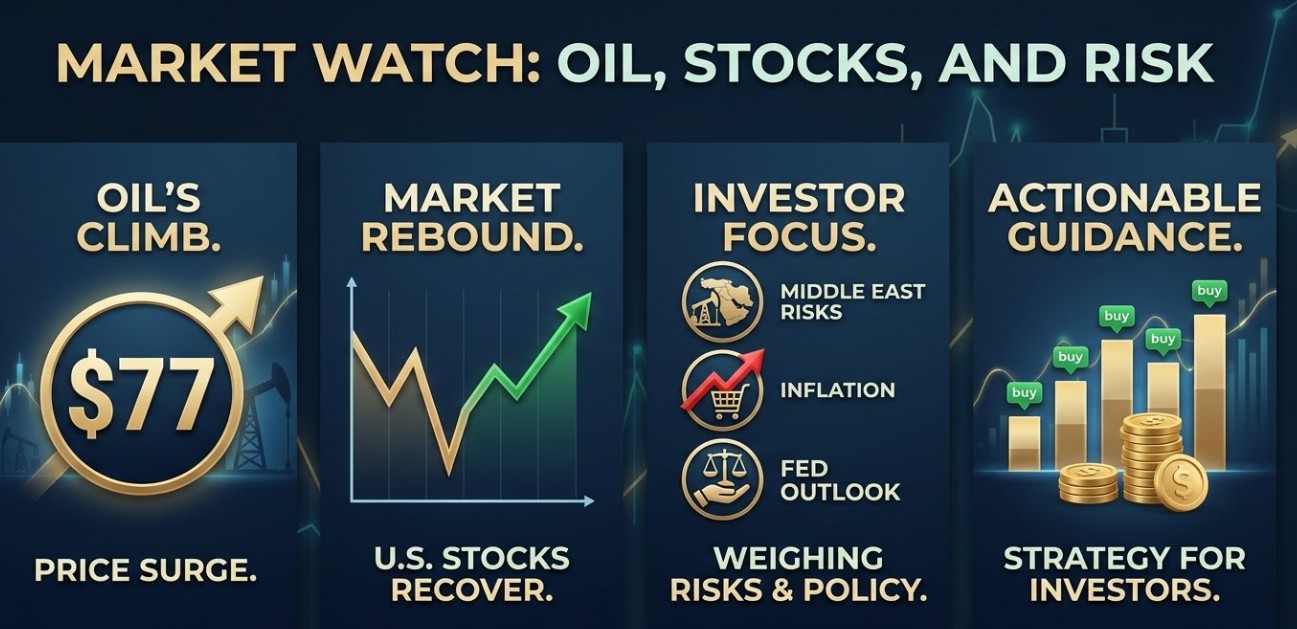
U.S. benchmark crude rose 3.2% to $77.01 per barrel, reviving inflation and growth trade-offs across asset classes.
Market Overview
The S&P 500 (^GSPC) serves as the bellwether for U.S. equity market risk, and its recent performance has been shaped by a mix of macro data, central bank signals, and commodity swings.
After a choppy stretch driven by renewed conflict in the Middle East and inflationary jitters, the index has oscillated between risk-on rallies and risk-off retreats as investors parse economic releases and oil price trajectories.
Oil Prices Take Center Stage
Oil’s move is central to the current market narrative.
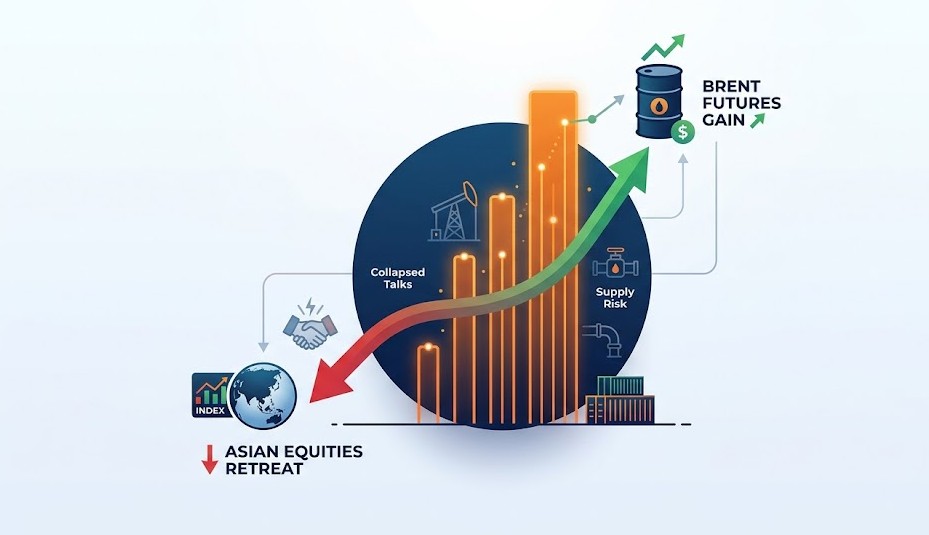
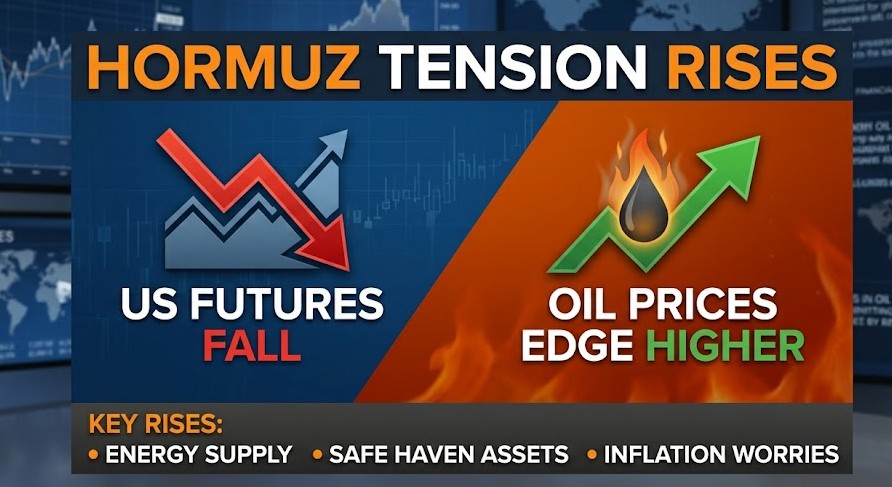
Prices climbed after fresh concerns about supply disruptions and heightened geopolitical tensions, pushing U.S. crude to $77.01 per barrel on Wednesday a 3.2% jump.
Higher energy costs:
- Feed directly into producer margins
- Increase consumer inflation
- Complicate central bank policy decisions
This narrows policymakers’ room to maneuver, especially as they weigh potential rate cuts against persistent inflation risks.
Sector-Wise Impact on Equities
The impact of rising oil prices is uneven across sectors:
- Energy sector: Benefits directly from higher oil prices, boosting earnings outlook
- Cyclical sectors: Face pressure as higher fuel costs reduce consumer spending
- Small-cap and growth stocks: More vulnerable to inflation and rate sensitivity
The overall effect on indices depends on how sustained and significant oil price movements are, and whether they shift inflation expectations materially.
What Drove Wednesday’s Rebound
Wednesday’s rebound reflected two opposing forces:
- Short-term relief as oil’s earlier spike paused
At the same time, Asian markets moved higher following the U.S. lead, reflecting global risk-on sentiment.
However, the focus quickly returned to oil as prices resumed their upward trajectory, reintroducing volatility across futures and currency markets.
Federal Reserve and Market Implications
Market strategists highlight that energy-driven volatility increases sectoral divergence, creating both risks and opportunities.
While rising oil supports energy earnings, it also complicates Federal Reserve policy:
- Persistent oil-driven inflation may lead to higher-for-longer interest rates
- Rate-sensitive equities could face continued pressure
- Risk premiums may remain elevated
Investor Strategy and Positioning
What this means for investors is largely tactical:
Key considerations:
- Monitor oil prices and geopolitical developments closely
- Watch the $80 per barrel level as a critical threshold
- Reassess exposure to inflation-sensitive assets
Potential strategies:
- Increase allocation to energy equities and commodity-linked assets
- Use Treasury Inflation-Protected Securities (TIPS) as an inflation hedge
- Consider short-duration bonds to protect purchasing power
Risk Management Approach
Risk management remains critical in the current environment.
Investors should:
- Evaluate exposure to growth and long-duration assets
- Consider hedging strategies such as options
- Explore rotation into cyclicals and defensive consumer sectors
For short-term traders, volatility in oil and FX markets presents opportunities, but disciplined position sizing is essential given macro uncertainty.
Outlook: Key Market Drivers Ahead
The near-term market direction will depend on three factors:
- Oil price trajectory
- U.S. macroeconomic data (jobs, inflation, consumer trends)
- Central bank communication
If oil stabilizes and inflation continues to ease, equities may sustain their rebound. However, a prolonged spike in oil prices could increase recession risks by squeezing real incomes and altering rate expectations.
Conclusion
Investors should remain alert and flexible.
Tactical positioning including increased energy exposure, inflation protection, and selective use of volatility will be key in navigating current conditions.
The linkage between geopolitics, oil, and financial markets has once again become the dominant theme, likely shaping market movements and policy discussions in the coming weeks.
Summary:
U.S. stocks rebounded as oil’s temporary pause and supportive U.S. economic
data eased near-term recession fears, even as renewed crude strength kept
volatility elevated.