Palantir Could Outperform the S&P 500 by 2027 - What to Know
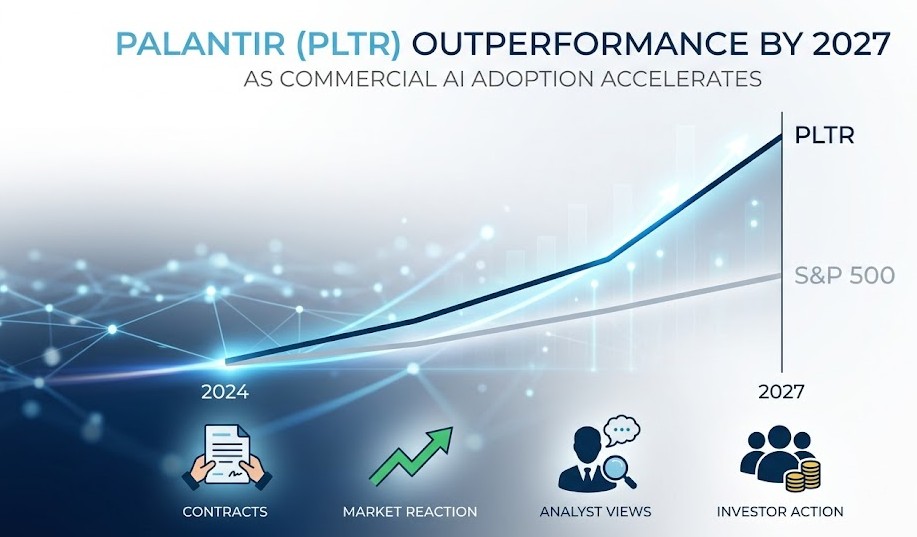
Palantir+Technologies" title="More analysis on Palantir Technologies">Palantir Technologies (PLTR) has become the center of a renewed bullish debate after a Motley Fool article predicted the AI-focused software company could outperform the S&P 500 by 2027.
The thesis has prompted investors to revisit the stock following a prolonged correction across AI-related names. As operational performance improves and revenue visibility strengthens, some market participants believe Palantir may have moved beyond the most severe phase of its valuation reset.
The discussion is significant because Palantir combines stable government-driven revenue with an expanding commercial business, creating a unique blend of growth and defensive characteristics.
Palantir's Business Model
Founded in 2003, Palantir develops data integration and analytics platforms used by both government and commercial organizations.
Its primary offerings include:
The company has historically relied on long-term government contracts that provide recurring revenue and relatively stable margins. At the same time, management has expanded into commercial sectors including:
- Aerospace
- Energy
- Financial services
- Manufacturing
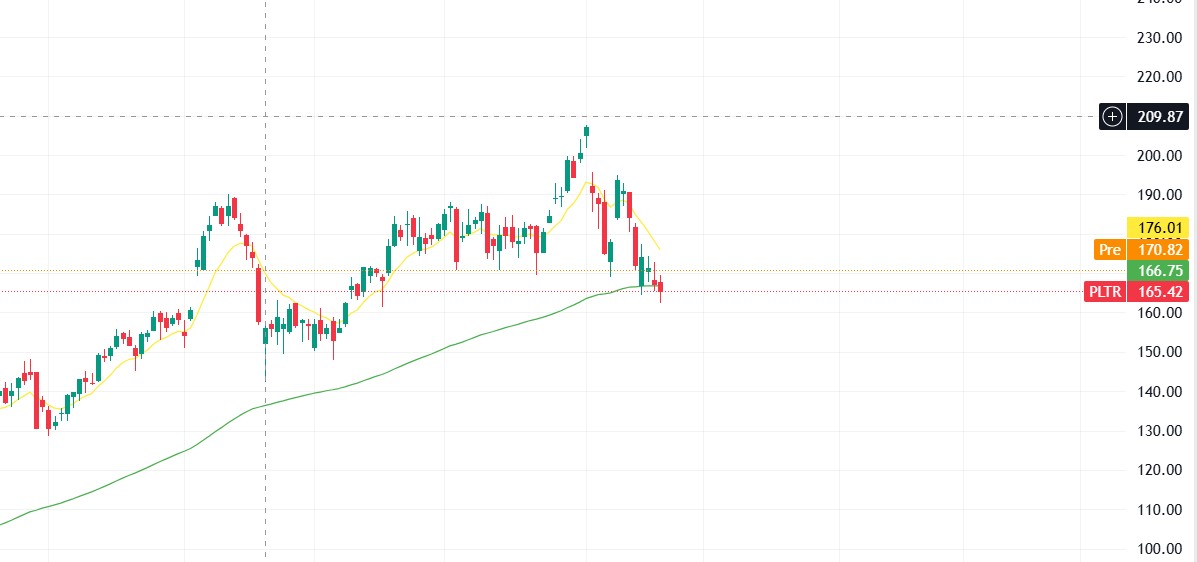
Following a period of rapid growth, Palantir shares experienced a significant correction as enthusiasm surrounding AI-related stocks faded and valuation expectations reset.
Why the Bullish Narrative Is Returning
The recent optimism surrounding Palantir is based on several developments.
Growing Commercial Adoption
One of the most important catalysts has been increased adoption of Foundry as organizations seek practical ways to deploy artificial intelligence and large language models within their operations.
Management has highlighted:
- Larger deal sizes
- Growing enterprise demand
- Multi-year customer partnerships
- Expanding AI-related use cases
If this trend continues, commercial revenue could become a larger contributor to overall growth.
Stable Government Revenue
Palantir's government business remains a key source of stability.
Many government contracts extend across multiple years, providing:
- Predictable recurring revenue
- Reduced earnings volatility
- Greater visibility into future cash flows
This stability differentiates Palantir from many younger software companies that rely primarily on commercial demand.
Improving Operating Leverage
The company has continued investing in product development while gradually improving profitability metrics.
As revenue scales, investors are watching for:
- Higher operating margins
- Improved free cash flow generation
- Greater earnings leverage
Successful execution could significantly improve shareholder returns over the coming years.
Key Questions Investors Must Consider
Despite growing optimism, the investment case still depends heavily on execution.
For Palantir to outperform the broader market through 2027, the company likely needs to:
- Sustain mid-teens revenue growth
- Expand its commercial customer base
- Retain major government contracts
- Continue improving profitability
The bullish thesis also assumes investors will reward the company with a higher valuation multiple if AI-related revenue proves durable and scalable.
Risks Remain Significant
Several risks could challenge the outperformance narrative.
Intensifying Competition
Palantir competes against:
- Large cloud providers
- Enterprise software companies
- Specialized AI vendors
Competition could make customer acquisition more difficult and pressure future growth rates.
Government Contract Risk
Although government revenue provides stability, contract renewals and procurement cycles can be unpredictable.
Changes in government spending priorities could affect future revenue growth.
Valuation Concerns
Some analysts argue that Palantir continues to trade at a premium relative to many software peers when adjusted for growth expectations.
If economic conditions weaken or enterprise technology spending slows, valuation multiples could come under pressure.
Market Reaction and Analyst Sentiment
Investor reaction to the renewed bullish thesis has been mixed.
Retail investors have shown increased interest in the stock, while institutional investors remain more cautious.
Short interest has also remained elevated compared with historical averages, creating the possibility of significant share-price movements following positive earnings surprises.
Analysts generally agree that future upside depends on measurable improvements in:
- Commercial customer growth
- Deal conversion rates
- Operating margins
- Free cash flow generation
Bullish analysts point to growing customer cohorts and platform stickiness as reasons Palantir could continue compounding revenue at attractive rates.
More cautious analysts emphasize valuation concerns and macroeconomic risks that could impact enterprise software spending.
What Investors Should Monitor
Investors evaluating Palantir should focus on objective performance indicators rather than narrative-driven forecasts.
Key metrics include:
Commercial Bookings
Commercial demand remains the primary growth opportunity and will likely determine whether revenue acceleration continues.
Customer Retention and Expansion
Strong retention rates and increasing customer spending would reinforce confidence in the company's competitive position.
Margin Progress
Continued improvement in operating leverage could significantly enhance profitability and free cash flow.
Government Contract Activity
Changes in contract awards, renewals and government spending trends remain important indicators of long-term stability.
Investment Considerations
Long-term investors who believe in Palantir's technology and market position may consider accumulating shares gradually through dollar-cost averaging.
More active investors should closely monitor quarterly results and management commentary for signs that commercial momentum is translating into sustainable financial performance.
Risk-conscious investors may also consider diversification across multiple AI-related companies or hedging strategies to manage short-term volatility.
Conclusion
Palantir's inclusion in forecasts predicting outperformance versus the S&P 500 by 2027 reflects a broader reassessment of AI-linked equities following a period of significant valuation compression.
The company's combination of stable government revenue and expanding commercial opportunities creates both downside protection and long-term growth potential. However, future returns will ultimately depend on management's ability to convert product adoption into consistent revenue growth, margin expansion and stronger cash flow generation.
Over the next several quarters, investors should focus on measurable execution metrics such as bookings, customer retention and operating leverage rather than relying solely on optimistic AI narratives.
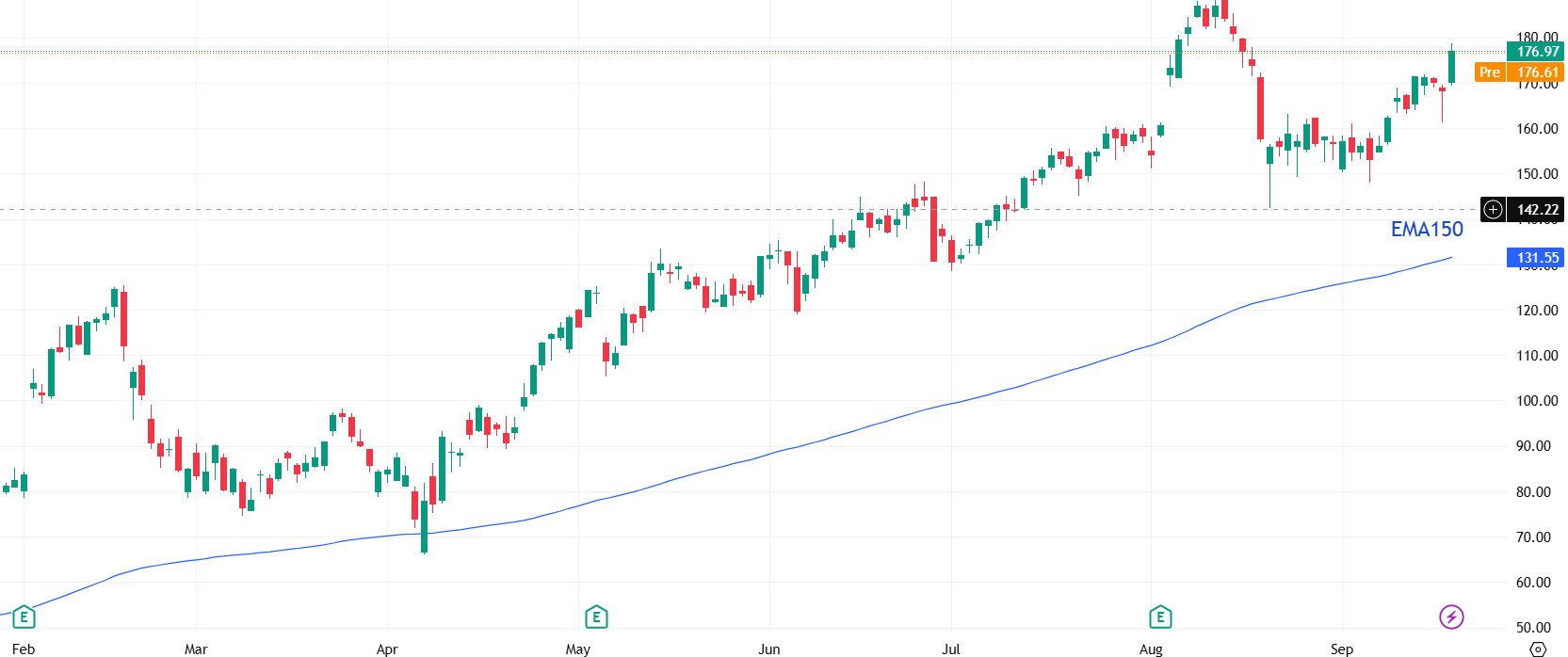
Shares recently moved higher after a contrarian investment thesis highlighted improving commercial traction and durable government revenue streams, prompting investors to reassess the company following a prolonged AI-driven sell-off.