RTX Outperforms Amid Iran Tensions — Is It Still a Buy Today?
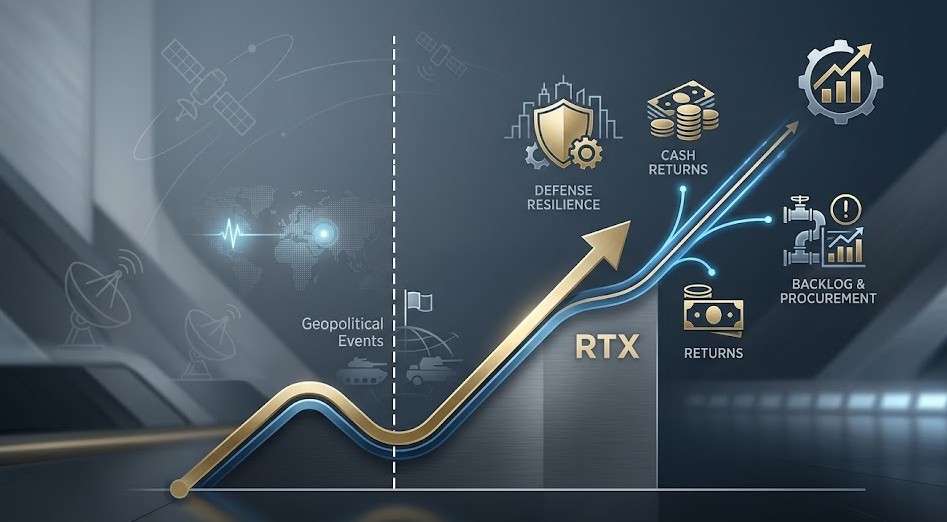
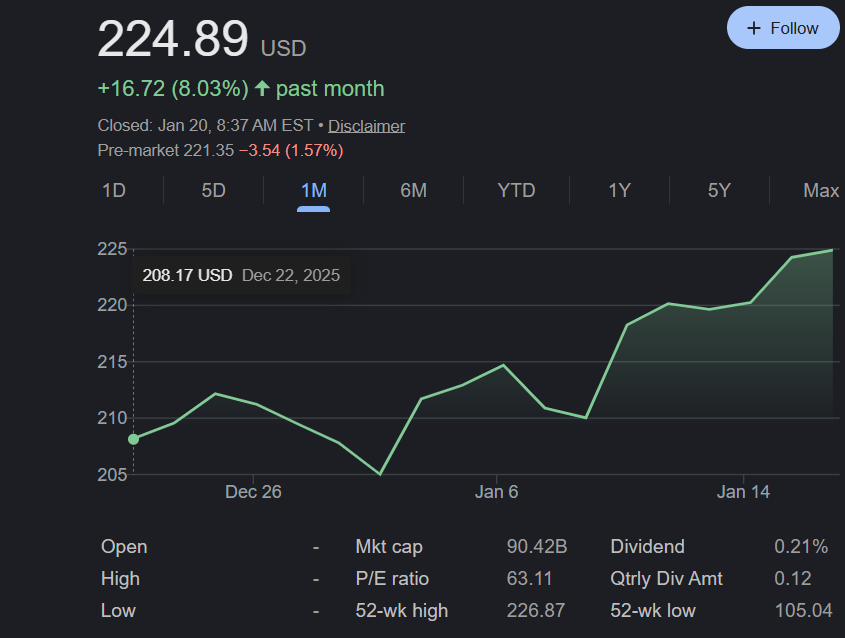
Shares of RTX Corporation have outperformed many large-cap defense peers since tensions in the Middle East intensified, as investors rotated into companies viewed as resilient during periods of geopolitical uncertainty. Despite the absence of a major surge in new defense contracts tied directly to the Iran conflict, RTX has attracted strong institutional interest due to its stable backlog, improving cash flow profile and shareholder-friendly capital allocation strategy. The rally has now shifted investor focus toward a key question: whether the stock still offers attractive upside after its recent strength or whether much of the geopolitical premium is already priced in.
RTX, created through the merger of Raytheon and United Technologies, operates across multiple aerospace and defense segments, including missile systems, avionics, aircraft engines and aerospace services. Unlike pure-play defense contractors, the company maintains substantial exposure to commercial aviation through businesses such as Pratt & Whitney and Collins Aerospace. That diversified structure has historically helped stabilize revenue during changing economic cycles because government defense contracts provide long-term visibility while commercial aerospace benefits from rising air travel demand and aircraft production growth.
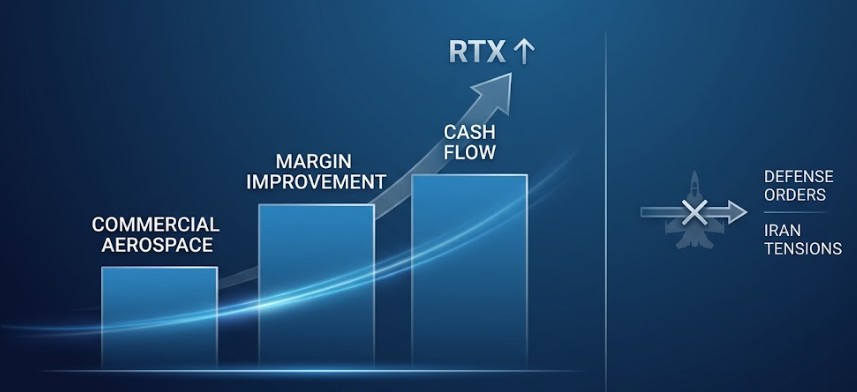
One reason the Iran conflict has not produced immediate revenue acceleration for RTX is the nature of global defense procurement itself. Military spending programs usually unfold over extended timelines involving congressional appropriations, multi-year procurement planning and lengthy contract negotiations. Even during geopolitical escalations, governments rarely authorize large-scale procurement increases overnight. As a result, while tensions may improve the long-term outlook for defense budgets, the financial impact on contractors like RTX tends to emerge gradually rather than instantly.
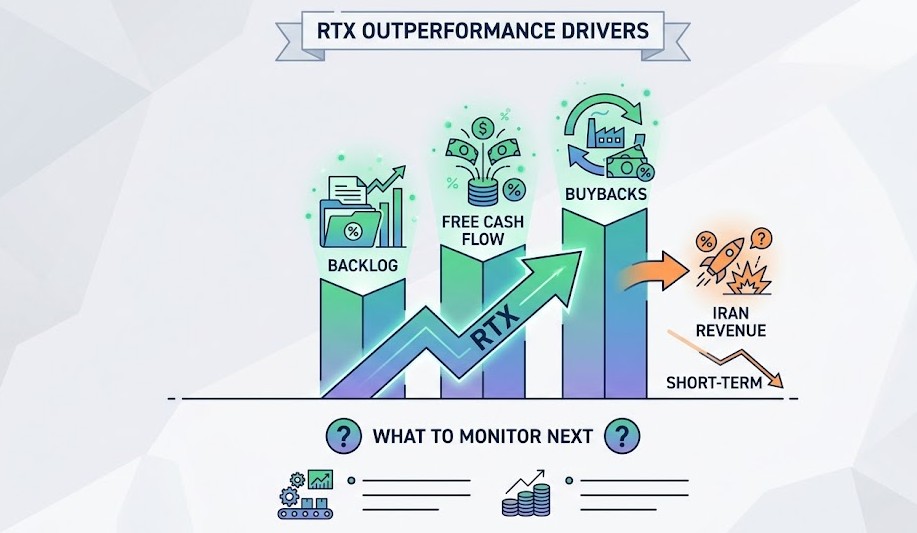
Instead, investors appear to be rewarding the company for broader operational and financial strengths. RTX has spent recent quarters emphasizing margin expansion, cost-reduction programs and stronger free cash flow generation. Management has also continued prioritizing shareholder returns through dividends and share repurchases, which has become particularly attractive in an uncertain market environment where investors increasingly favor companies with dependable cash generation and disciplined capital allocation. These factors have helped support the stock even without a sharp increase in new defense orders.
Market sentiment toward defense stocks has also improved because persistent geopolitical instability generally reinforces expectations for sustained government spending on national security and military modernization. Institutional investors have responded by increasing allocations to large-cap defense names viewed as financially stable and strategically important. In RTX’s case, its sizable backlog and diversified customer base provide additional confidence that earnings can remain relatively resilient even if broader economic conditions weaken.
Analysts remain constructive overall but continue to highlight several important risks. Supporters of the bullish thesis point to RTX’s strong backlog, improving operational execution and long-term exposure to both defense and commercial aerospace recovery trends. However, more cautious analysts emphasize that the company’s commercial aviation business introduces cyclical risks not faced by pure defense contractors. A slowdown in global travel demand, supply-chain disruptions or weaker airline spending could pressure margins and offset some of the benefits tied to defense resilience.
For investors evaluating whether RTX remains attractive after its recent rally, several factors deserve close attention. Free cash flow trends remain especially important because the company’s ability to sustain dividends and buybacks depends on consistent cash generation. Investors should also monitor funded backlog growth, Pentagon procurement announcements and management guidance for evidence that geopolitical tensions are translating into stronger long-term demand visibility.
Valuation discipline also matters after strong share-price appreciation. Defense stocks often experience short-term rallies during geopolitical crises, but those moves can reverse if tensions ease or if expected procurement growth fails to materialize. Investors considering new exposure may therefore prefer phased buying strategies or incremental accumulation during pullbacks rather than chasing momentum-driven spikes.
Risk management remains essential because geopolitical events can create sharp swings in sentiment. RTX still faces operational risks including supply-chain pressures, labor costs, aircraft-engine production challenges and potential export restrictions tied to global security policy. Additionally, if macroeconomic conditions weaken significantly, the company’s commercial aerospace exposure could become a headwind despite stable defense spending.
Overall, RTX’s recent outperformance appears to be driven less by immediate war-related revenue gains and more by investor confidence in its cash-generation capabilities, operational execution and strategic positioning within both aerospace and defense markets. For long-term investors, the core investment case centers on sustainable free cash flow growth, disciplined capital allocation and backlog conversion rather than short-term geopolitical headlines. Going forward, upcoming earnings reports, procurement developments and management commentary on margins and shareholder returns will likely determine whether the current rally evolves into a durable long-term trend or remains primarily sentiment-driven.