Signet Drops Despite Market Rally: What Investors Should Watch

Signet Jewelers (SIG) shares settled at $95.70 on the latest trading day, a decline of 1.47% from the previous close, even as broader markets advanced. The split between Signet’s underperformance and the market rally highlights idiosyncratic risks facing the specialty jewelry retailer and gives investors reason to scrutinize company-specific metrics ahead of upcoming seasonal demand and earnings reports.
Company Background and Recent Performance
Signet Jewelers is the largest specialty jewelry retailer in the U.S. and the U.K., operating well-known banners including:
- Kay
- Zales
- Jared
The company’s revenue and profitability are closely tied to:
- Discretionary consumer spending
- Trends in bridal and fashion jewelry
- Commodity price swings, particularly gold
Over the past several quarters Signet has navigated a mixed consumer backdrop, balancing promotions and inventory management with efforts to reinvigorate digital and in-store sales channels.
Signet’s financial profile typically features pronounced seasonality, with the holiday quarter and bridal season contributing a disproportionate share of annual sales.
As a result, investors watching trading days outside those peak windows often react to incremental data points such as:
- Traffic trends
- Same-store sales
- Margin commentary
- Inventory disclosures
A single-day dip while the market rises signals attention to these company-level drivers rather than broad macro trends.
Detailed Analysis of the Move
The most concrete data point in today’s session is the close at $95.70, representing a 1.47% drop from the prior session.
That modest decline, occurring amid broader market strength, suggests investors were reacting to factors specific to Signet rather than general risk-off pressure.
For specialty retailers like Signet, modest downward moves often reflect:
- Short-term profit-taking after prior gains
- Concerns about margin compression from promotions
- Anticipation of conservative forward guidance
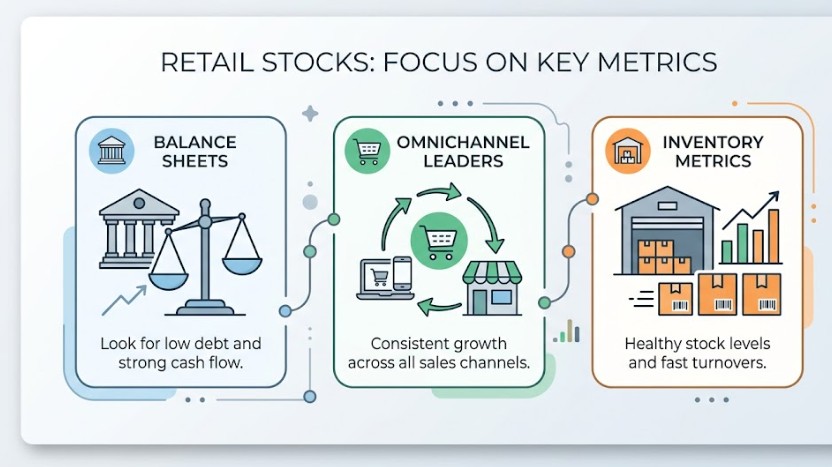
Key performance metrics that investors monitor for Signet include:
- Comparable-store sales (comps)
- Average transaction value
- Conversion rates online and in stores
- Gross margins
- Inventory turnover
Any commentary from the company regarding promotional intensity, markdowns or inventory buildup would be significant. Excess inventory heading into the holiday season could force margin-damaging discounts.
Conversely, tighter inventory and stronger comparable-store sales could support upside to near-term earnings expectations.
Sector Context and Broader Implications
The jewelry retail sector is sensitive to several macro and industry factors, including:
- Consumer confidence
- Discretionary income trends
- Commodity prices
Gold and other precious metals influence product costs and gross margin dynamics. Rising gold prices can pressure margins if retailers cannot fully pass the increased costs to consumers.
Additionally, wedding trends and engagement rates drive the bridal segment, which is a significant contributor to jewelry retailer revenue and typically carries higher average transaction values.
Signet’s underperformance relative to a rising market underscores the company-specific risks investors face within the consumer discretionary sector.
Investors frequently differentiate between companies benefiting from resilient demand and those facing weaker store traffic or margin pressures.
Therefore, the single-session decline should be viewed as a prompt to monitor upcoming data rather than as evidence of structural deterioration.
Market Reaction and Analyst Perspective
Market participants typically interpret an isolated decline during a broader rally as an opportunity to reassess company fundamentals.
Analysts are likely to focus on:
- The next quarterly earnings release
- Any pre-announcements or sales updates
- Holiday inventory levels and promotional strategy
- Comparable-store sales and margin guidance
Absent a company press release or sector-specific catalyst, many sell-side analysts would likely recommend patience while awaiting clearer signals from sales and margin trends.
If broker commentary emerged alongside the session’s move, it would likely focus on execution risks in the current quarter and the balance between promotional activity and margin preservation.
Investors should monitor potential earnings estimate revisions or price target changes in the coming days to determine whether the market views the decline as temporary or part of a broader valuation adjustment.
What This Means for Investors Actionable Insights
1. Monitor Same-Store Sales and Inventory
Watch Signet’s upcoming sales updates and inventory disclosures carefully. Rising markdown risk ahead of the holiday season could signal pressure on near-term earnings.
2. Track Margin Indicators and Promotional Activity
Investors should pay close attention to gross margin guidance and commentary regarding promotional intensity that could affect profitability.
3. Consider Valuation and Trading Strategy
Given the stock’s volatility, investors should reassess valuation relative to peers and their own risk tolerance.
- Short-term traders may consider disciplined stop-loss strategies.
- Long-term investors should evaluate exposure in the context of broader consumer discretionary trends.
4. Watch Macro and Commodity Inputs
Consumer confidence indicators and gold prices should remain on investors’ radar, as both factors directly influence jewelry demand and cost structures.
5. Follow Analyst Updates
Changes to earnings forecasts or price targets will provide insight into whether the market expects the decline to persist.
Conclusion and Forward-Looking Perspective
Signet’s 1.47% decline to $95.70 during a rising market session highlights the importance of company-specific variables such as:
- Sales momentum
- Margin pressures
- Inventory positioning
- Promotional cadence
The move does not, by itself, indicate a fundamental break in the company’s business. However, it increases the importance of upcoming operating metrics and management commentary ahead of the crucial holiday and bridal seasons.
For investors, the prudent approach is to wait for clearer signals from reported comparable-store sales, margin trends and inventory levels before making significant portfolio adjustments.
Existing shareholders should monitor quarterly updates and analyst commentary closely, while potential investors may find more attractive entry points once there is clearer evidence of sustained sales growth and margin stability.
Absent new company disclosures, the single-session decline is best interpreted as an invitation to focus on fundamentals rather than a definitive directional signal.