US-Iran Breakdown Sends Futures Lower; Oil, Markets Brace
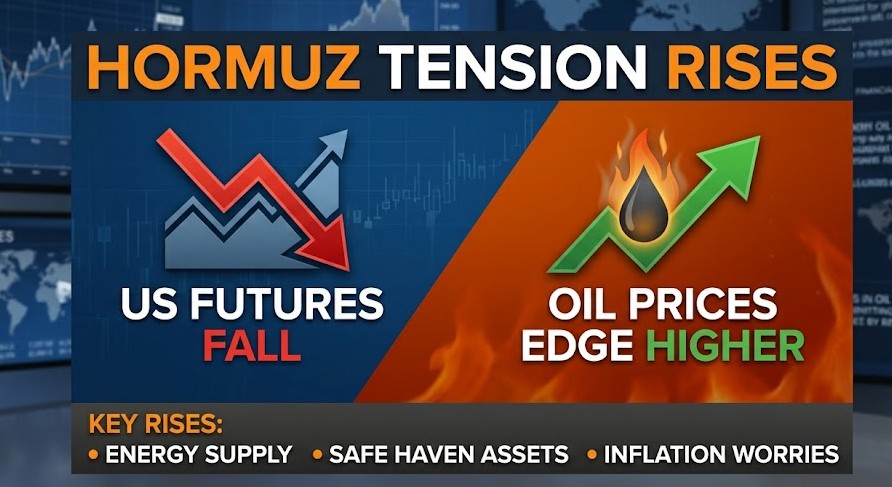
U.S. Equity Futures Fall as U.S.-Iran Tensions and Hormuz Blockade Raise Market Risks
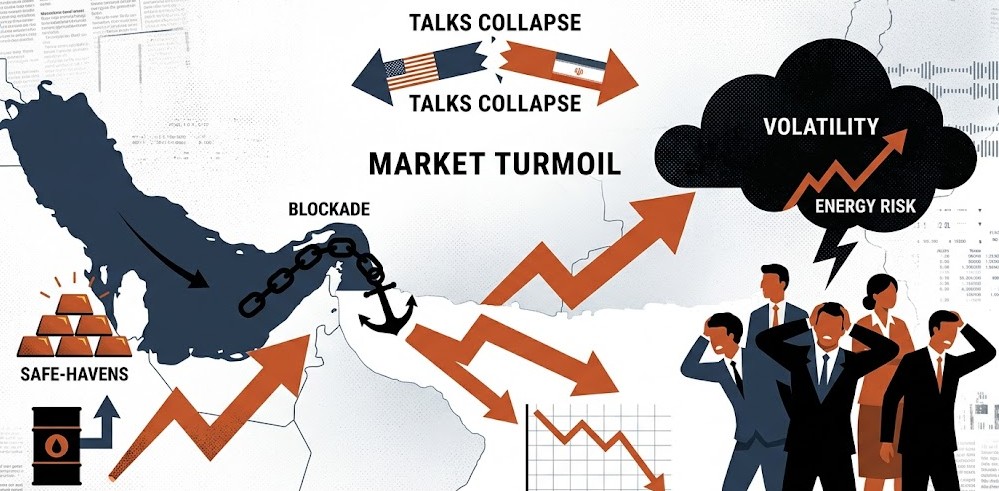
U.S. equity futures declined ahead of the week's opening after diplomatic talks between the United States and Iran collapsed and the U.S. announced a blockade of the Strait of Hormuz, increasing concerns over global energy supplies and economic stability.
The developments triggered a broad risk-off sentiment across financial markets, pushing investors to reassess growth expectations, inflation risks and sector positioning.
SPY Reflects Broad Market Sentiment
SPDR S&P 500 ETF Trust (SPY) is the largest and most actively traded ETF tracking the S&P 500, making it one of the primary gauges of overall U.S. equity market performance.
Launched in 1993, SPY provides broad exposure to large-cap U.S. companies and is widely used by both institutional and retail investors.
Over the past year, markets have been supported by resilient corporate earnings, evolving Federal Reserve policy expectations and shifting sector leadership. However, geopolitical events have historically triggered rapid portfolio repositioning across industries including energy, defense, financials and utilities.
Hormuz Blockade Raises Global Supply Concerns
The collapse of negotiations between the United States and Iran, combined with the announced blockade of the Strait of Hormuz, introduces several significant risks for financial markets.
The Strait of Hormuz is one of the world's most important energy shipping routes, handling a substantial share of global crude oil exports.
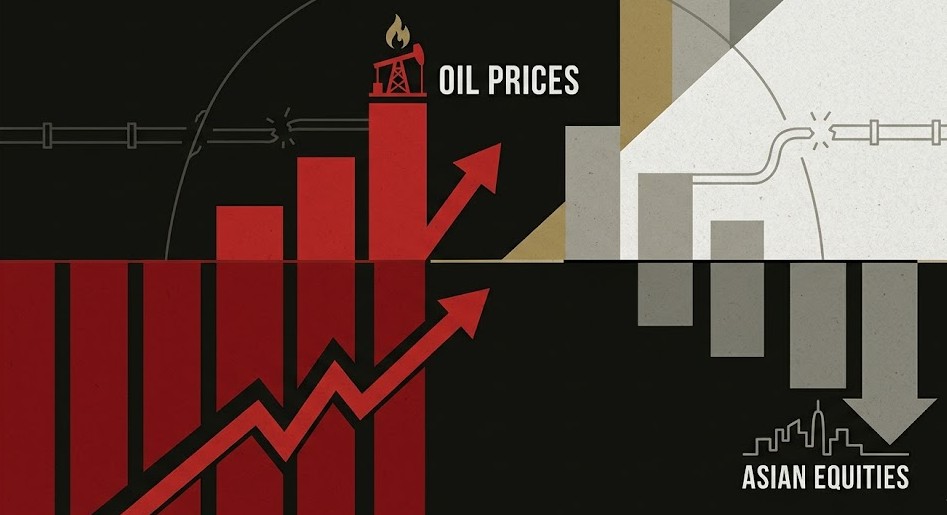
Any disruption or perceived threat to shipping through the region can quickly push oil prices higher by increasing supply uncertainty and transportation costs.
Higher energy prices may then contribute to:
- Rising inflation
- Reduced consumer spending power
- Increased business operating costs
- Lower corporate profit margins
These factors can place downward pressure on equity valuations across multiple sectors.
Investors Shift Toward Safe-Haven Assets
Periods of geopolitical uncertainty often lead investors to reduce exposure to risk assets and increase allocations to defensive investments.
Typical safe-haven flows include:
- U.S. Treasury securities
- The U.S. dollar
- Gold and precious metals
At the same time, credit spreads for riskier corporate borrowers may widen, increasing financing costs and placing additional pressure on companies with weaker balance sheets.
Energy and Defense Sectors Could Benefit
Historically, geopolitical tensions involving energy-producing regions have favored companies operating in energy and defense industries.
Higher oil prices can improve earnings prospects for energy producers, while expectations of increased government spending may support defense contractors.
Conversely, sectors that are highly sensitive to interest rates or economic growth, including real estate and smaller leveraged companies, often face greater pressure during periods of uncertainty.
Market Reaction Reflects Increased Volatility
U.S. futures linked to the Dow Jones Industrial Average, S&P 500 and Nasdaq all moved lower as investors adjusted positions ahead of market open.
Commodity markets also reacted quickly:
- Oil futures incorporated a higher geopolitical risk premium.
- Shipping insurers adjusted pricing to reflect increased uncertainty.
- Commodity traders reassessed potential disruptions to global supply routes.
Many market strategists believe headline-driven volatility could remain elevated until greater clarity emerges regarding actual supply disruptions and diplomatic developments.
Factors That Could Limit the Impact
Despite current concerns, several factors may reduce the severity of any prolonged market disruption.
These include:
- Strategic petroleum reserves held by major economies
- Global spare oil production capacity
- Alternative shipping routes for energy supplies
- Diplomatic efforts aimed at de-escalation
The duration of any supply disruption will likely determine whether current market moves prove temporary or evolve into a more sustained economic challenge.
Central bank policy will also remain critical. If higher energy prices significantly increase inflation, monetary authorities may face more difficult decisions regarding future interest rate policy.
What Investors Should Consider
Review Sector Allocation
Investors may wish to evaluate exposure to economically sensitive growth stocks while considering sectors that could benefit from elevated commodity prices, including energy and defense.
Prepare for Higher Volatility
Protective strategies such as maintaining cash reserves or using portfolio hedges may help reduce downside risk during periods of heightened uncertainty.
Monitor Inflation Indicators
Key data points to watch include:
- Oil prices
- Gasoline prices
- Crude inventory reports
- Consumer inflation readings
Persistent increases could influence both market sentiment and central bank policy.
Focus on Financial Strength
Companies with:
- Strong balance sheets
- Consistent free cash flow
- Pricing power
- Low leverage
are generally better positioned to navigate periods of rising costs and economic uncertainty.
Maintain a Long-Term Perspective
While short-term volatility may create trading opportunities, long-term investors should avoid emotional decision-making and instead rebalance portfolios based on disciplined investment strategies.
Outlook
The breakdown in U.S.-Iran negotiations and the blockade of the Strait of Hormuz have reintroduced a meaningful geopolitical risk premium into global financial markets.
If disruptions to energy supplies remain temporary, equity markets could recover much of their initial losses. However, a prolonged escalation could fuel higher inflation, tighter monetary policy and a more sustained repricing across global assets.
For investors, the priority should be balancing risk management with long-term opportunity by maintaining diversified portfolios, focusing on financially resilient companies and remaining prepared to capitalize on attractive valuations if market volatility creates opportunities.
Equity futures moved lower as the collapse of U.S.-Iran talks and the blockade of the Strait of Hormuz heightened concerns over oil supplies, inflation and broader market volatility, prompting investors to adopt a more defensive stance.