Wall Street Edges Lower on Trump Tariffs; S&P Futures Slip Today
U.S. Equity Futures Slip on Tariff Rhetoric and Geopolitical Uncertainty
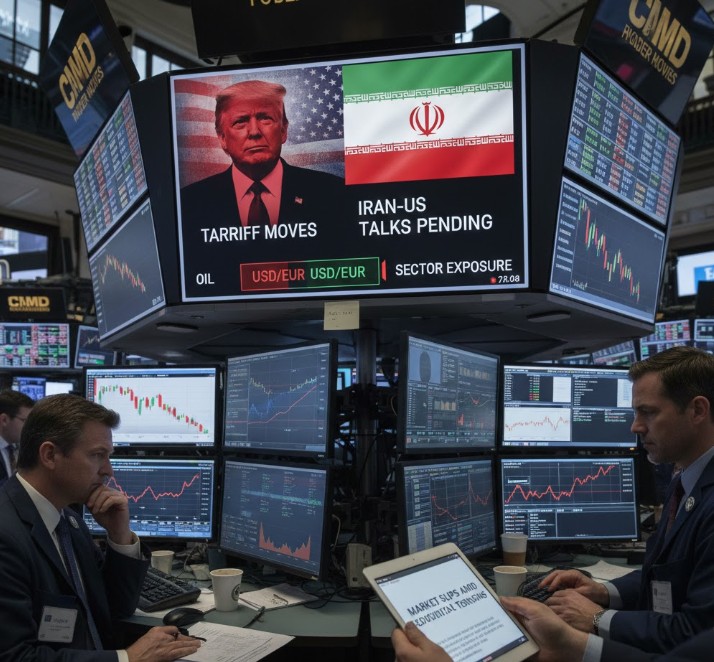
U.S. equity futures opened lower Monday as traders digested a weekend surge in tariff rhetoric from President Donald Trump and parsed a fast-moving policy situation that included an ultimately refuted Supreme Court-related claim by the president.
The combination of trade uncertainty and geopolitics with Iran-U.S. talks also on the calendar put risk assets on edge and weighed on appetite for cyclical positions.
Background and Recent Performance
The SPDR S&P 500 ETF Trust (SPY), a widely used proxy for the U.S. large-cap market, ended last week with modest gains as investors balanced resilient corporate earnings against rising policy risk.
Through the first half of the year, the S&P 500 has outperformed international peers, driven by strength in technology and consumer discretionary names. However, episodes of headline-driven volatility have repeatedly tested the market’s conviction, and this weekend’s tariff statements added a fresh catalyst.
Policy Shock: What Happened and Why It Matters
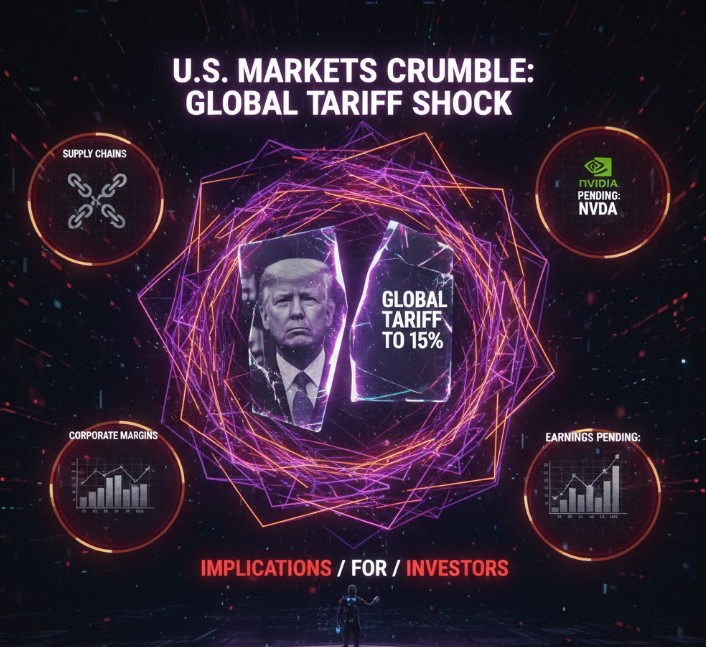
Over the weekend, President Trump announced a set of tariff actions that markets interpreted as a near-term escalation in trade policy.
Those comments arrived alongside a rapid sequence of public statements including a disputed reference to a Supreme Court (SCOTUS) ruling that the president later walked back — creating confusion about the administration’s immediate policy intentions.
For investors, tariffs matter because they can:
- Compress corporate margins
- Disrupt supply chains
- Prompt volatility in currencies and commodity prices, notably oil and industrial metals
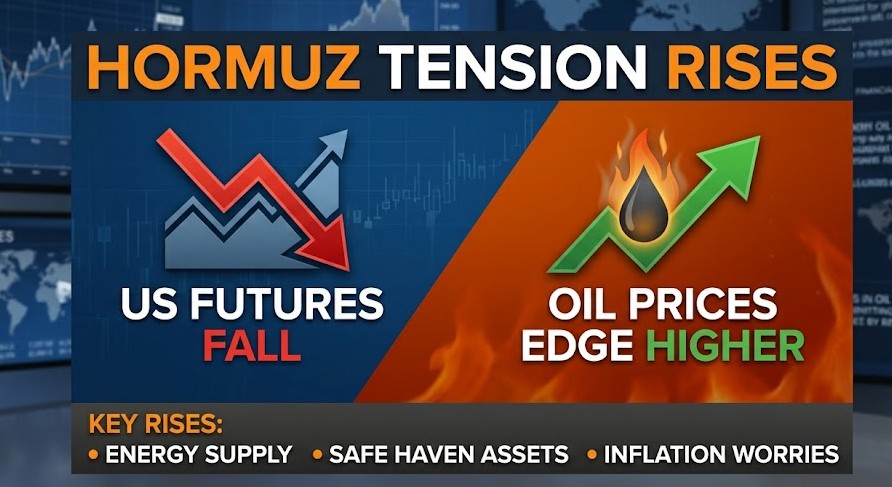
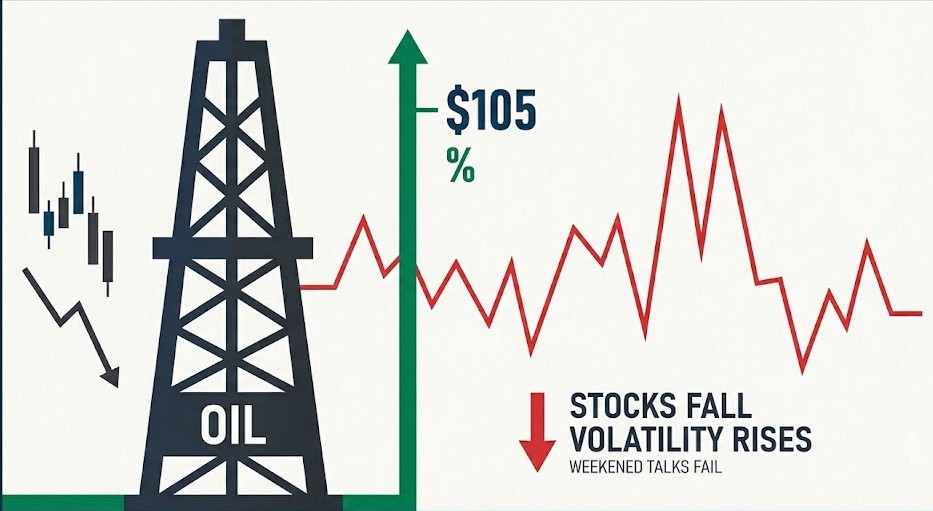
Compounding the tariff headlines are scheduled Iran-U.S. discussions, which raise the prospect of either energy-market disruptions or de-escalation.
Oil prices are sensitive to perceived geopolitical risk; even anticipation of talks can cause futures to swing, feeding through to energy+stocks" title="More analysis on energy stocks">energy stocks and broader market sentiment.
With tariffs and geopolitics both in play, the range of potential outcomes widened, and market participants priced in greater short-term uncertainty.
Market Reaction and Analyst Commentary
Equity futures and risk-sensitive sectors led the early move lower. Cyclical stocks including:
- Industrials
- Materials
- Certain consumer-facing companies
drew the most visible selling pressure.
Bond yields and the U.S. dollar showed typical risk-off behavior:
- Treasuries attracted safe-haven demand
- The dollar firmed against select peers as investors sought liquidity
Professional analysts and strategists described the response as rational and data-driven.
A market strategist at a large asset manager noted that the market is not pricing in a permanent shift in fundamentals, but that headlines of this nature increase volatility and shorten investors’ time horizons.
Equity strategists advised monitoring earnings resilience in tariff-exposed sectors and watching input-cost guidance from corporate conference calls this week.
What This Means for Investors: Actionable Insights
1. Reassess Sector Exposure
Investors with concentrated positions in industrials, materials and export-oriented companies should evaluate tariff sensitivity in earnings models and consider trimming exposure or using hedges.
2. Watch Commodity and FX Moves
Energy and metal futures can amplify tariff and geopolitical risk. Investors with direct commodity exposure or global revenue streams should monitor price and currency shifts closely.
3. Use Options and Cash Management Strategically
Options can provide defined-risk protection for concentrated holdings, while maintaining dry powder allows opportunistic re-entry if volatility creates attractive valuation-adjusted entry points.
4. Follow Corporate Commentary
Earnings calls and management comments this week will offer clues on margins and supply-chain adjustments. Prioritize companies that provide clear, quantitative guidance on tariff impacts.
Sector-Specific Implications
Tariffs typically hit manufacturers and exporters first. Companies with complex global supply chains notably:
- Automakers
- Industrial equipment manufacturers
- Semiconductor-related suppliers
face higher input costs and potential re-routing expenses.
Conversely, some domestic-oriented consumer names may benefit if tariffs shift demand toward locally produced goods, though pass-through pricing risks persist.
Financials may experience mixed effects: higher yields can be supportive, but trade-related volatility can dampen lending activity and capital markets business.
Risk Management and Portfolio Positioning
In an environment where headlines can drive intraday swings, disciplined risk management is essential.
Investors should consider:
- Diversification across sectors and geographies
- Prudent use of stop-losses and hedges
- Tactical allocations to defensive sectors such as utilities, staples and select healthcare names
For long-term investors, maintaining focus on fundamentals remains critical, but flexibility is necessary if tariffs materially alter revenue or margin trajectories.
Forward-Looking Perspective and Conclusion
Markets typically respond quickly to policy uncertainty and then recalibrate as clarity emerges.
- If tariff rhetoric translates into sustained measures, corporate earnings and supply chains will need to be re-priced into valuations.
- If statements are clarified or reversed and Iran-U.S. talks reduce geopolitical risk, volatility may subside and the equity risk premium could compress.
Over the next several weeks, investors should prioritize quality companies with pricing power, transparent cost management and scalable margins.
In summary, the weekend’s tariff headlines and related policy confusion served as a reminder that macro and geopolitical developments remain potent drivers of market moves. Active monitoring of corporate guidance, commodity and currency markets, and policy announcements will be essential for navigating near-term uncertainty and identifying selective opportunities as volatility creates differentiated entry points.
Equity futures and risk assets weakened as traders digested weekend tariff announcements by President Trump and heightened geopolitical uncertainty ahead of Iran-U.S. talks.