Wall Street's Favorite Trades Crumble Amid Deepening Market Selloff

The U.S. Stock Market Selloff: Collapse of Wall Street’s Favorite Trades
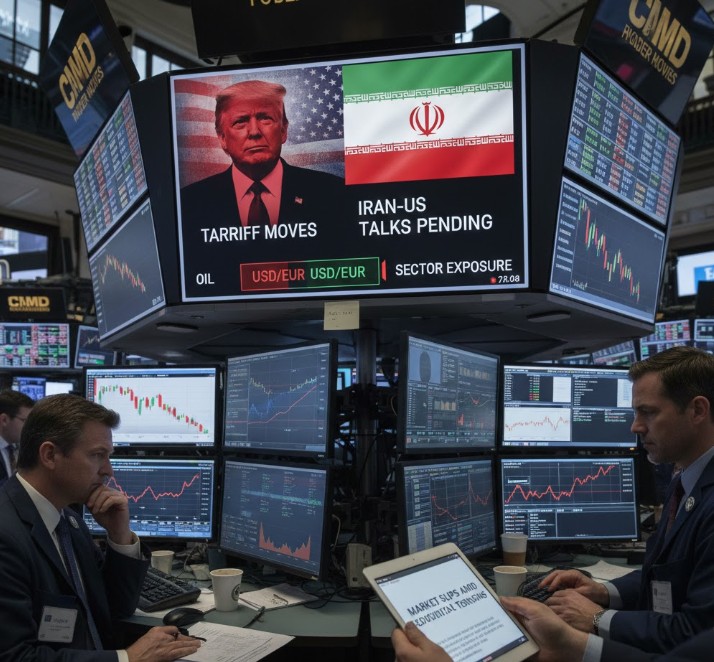
The U.S. stock market has witnessed a significant and pervasive selloff, marking the collapse of what were once considered Wall Street's most reliable trades. This downturn, unlike singular seismic events, is driven by a compounding "slow drumbeat of news" that has progressively eroded investor confidence, prompting a broad retreat from equity markets and instilling anxiety over stretched valuations.
Background: A Shift from Euphoria to Apprehension
For much of the preceding period, the market enjoyed a robust bull run, fueled by accommodative monetary policies, strong corporate earnings, and a general sense of optimism regarding economic recovery. Investors gravitated towards growth stocks, technology giants, and certain thematic investments, pushing valuations to historical highs.
The prevailing sentiment was one of "buying the dip," with many convinced that any downturn would be short-lived. This environment fostered a culture of popular trades, often involving high-growth sectors or leveraged positions that thrived in a low-interest-rate world.
However, underlying these gains was a growing unease among some analysts and economists about the sustainability of these elevated valuations, especially as inflation concerns began to mount globally.
Detailed Analysis: The Confluence of Market Pressures
The current market environment is characterized by a lack of a single, identifiable trigger, which makes the selloff particularly unsettling. Instead, a series of interconnected factors has gradually chipped away at market confidence.
Persistent inflation, driven by supply chain disruptions, rising energy costs, and robust consumer demand, has forced central banks, most notably the Federal Reserve, to adopt a more hawkish stance. The anticipation and subsequent execution of interest rate hikes have fundamentally altered the discount rate used to value future earnings, making highly-valued growth stocks less attractive. This shift away from easy money has been a primary contributor to the re-evaluation of assets.
Furthermore, geopolitical tensions, including the ongoing conflict in Eastern Europe, have introduced significant uncertainty into global markets. The war has exacerbated commodity price volatility, particularly for oil and gas, adding further inflationary pressure and creating concerns about global economic growth.
The threat of recession, though debated, looms larger as central banks tighten monetary policy to combat inflation. Corporate earnings, while still generally strong, have begun to show signs of deceleration for some sectors, and forward guidance from companies has become more cautious, reflecting potential headwinds from rising costs and slowing consumer spending.
This "slow drumbeat of news" has collectively fostered an environment where investors are increasingly scrutinizing balance sheets and profit margins. The realization that previous valuations might have been overly optimistic, coupled with genuine economic challenges, has led to a broad-based de-risking.
Many investors are now opting to pull back simultaneously, selling off positions across various asset classes, which further accelerates the downward spiral and amplifies market volatility. Popular "long-duration" trades, such as technology stocks whose value is heavily reliant on future earnings, have been disproportionately impacted as higher interest rates diminish the present value of those distant cash flows.
Market Reaction and Expert Commentary
The market reaction has been characterized by sharp declines across major indices. The S&P 500, Dow Jones Industrial Average, and Nasdaq Composite have all experienced significant corrections, with the Nasdaq, heavily weighted towards technology and growth stocks, often leading the descent.
Volatility, as measured by the CBOE Volatility Index (VIX), has surged, indicating heightened investor fear and uncertainty. Sector rotation is evident, with some defensive sectors or value stocks showing relative resilience, though the overall trend is unequivocally negative.
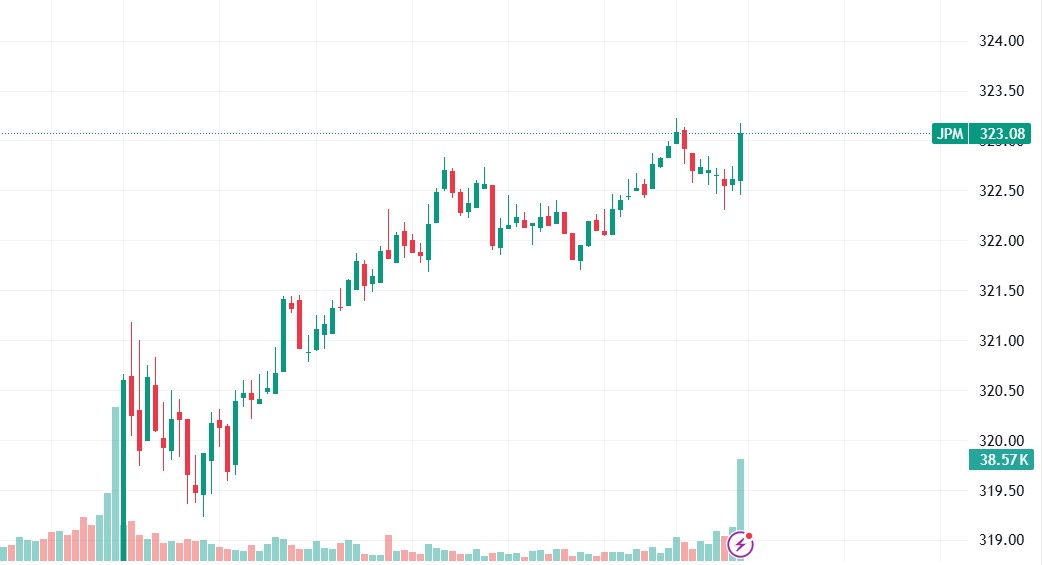
Analysts and market strategists are largely in agreement that the market is undergoing a necessary recalibration. JPMorgan Chase strategists, for instance, have pointed to the need for asset prices to adjust to a new reality of higher interest rates and potentially lower economic growth.
Many experts emphasize that while painful, such corrections are a natural part of market cycles, clearing out excesses and creating healthier foundations for future growth. However, there is no consensus on how deep or prolonged this selloff will be. Some anticipate a further downside as quantitative tightening fully takes effect, while others suggest that much of the repricing has already occurred.
What This Means for Investors: Navigating the Volatility
For investors, the current environment demands a strategic and disciplined approach. Rather than panicking, it's crucial to reassess portfolio allocations, ensuring they align with individual risk tolerance and long-term financial goals.
Diversification remains paramount; a well-diversified portfolio across different asset classes, geographies, and sectors can help mitigate the impact of concentrated downturns. This is a time to favor quality companies with strong balance sheets, robust cash flows, and sustainable competitive advantages that can weather economic headwinds.
Furthermore, a long-term perspective is vital. While short-term volatility can be unnerving, history suggests that markets tend to recover over time. Investors with a multi-year horizon might view current dips as opportunities to accumulate shares in high-quality companies at more attractive valuations.
It's also a period to review and potentially rebalance, trimming positions that have become overvalued and adding to those that now appear undervalued. Avoiding speculative bets and focusing on fundamental analysis becomes even more critical in a challenging market.
Conclusion: Adapting to a New Market Paradigm
The current market selloff underscores a significant shift in the investment landscape, moving away from an era of seemingly endless liquidity and low interest rates. The "collapse of Wall Street's favorite trades" is a symptom of this broader paradigm change, where valuations are being re-anchored to a more realistic assessment of economic fundamentals and monetary policy.
While the immediate future may remain volatile, prudent investors who focus on long-term strategy, diversification, and quality assets are best positioned to navigate these challenging waters. The market is not merely correcting; it is adapting to a new economic reality, demanding adaptability and resilience from those who participate within it.
The market experienced a broad selloff due to a "slow drumbeat of news" that increased anxiety about existing high valuations and prompted investors to pull back simultaneously.