Why TSMC Is Dominating the Market: 3 Investment Drivers Now.

Lead Taiwan Semiconductor Manufacturing Company (TSMC) is receiving renewed buy side attention after recent bullish commentary highlighting three core strengths: advanced node leadership, disciplined capital allocation, and surging demand tied to artificial intelligence. That combination, investors say, underpins TSMC’s ability to sustain above market returns and justify a premium valuation for the foreseeable future.
Company Background and Recent Performance
TSMC (ticker: TSM) is the world’s largest pure play semiconductor foundry, producing chips for customers including Apple, Nvidia, AMD and a broad set of system on chip designers. The company pioneered commercial 7nm and 5nm production and remains the leader in volume manufacturing of 3nm and progressing toward 2nm research, which are critical for high performance and energy efficient processors.
In recent years TSMC reported steady revenue growth, driven by structural demand for mobile, high performance computing and automotive chips. While macro cycles in semiconductors have swung from shortages to inventory digestion, TSMC’s scale and long term contracts have helped it maintain capacity utilization that compares favorably with peers.
Analysis of the News Event
The recent “three reasons to buy” thesis reflects three interlocking themes.
First, node leadership: TSMC’s advanced process technology creates a widening performance and power efficiency gap versus competitors and older nodes, enabling customers to extract more value per wafer.
Second, capital allocation discipline: TSMC has signaled targeted expansion and higher return expectations for new fabs, balancing multiyear capital expenditure with margin preservation.
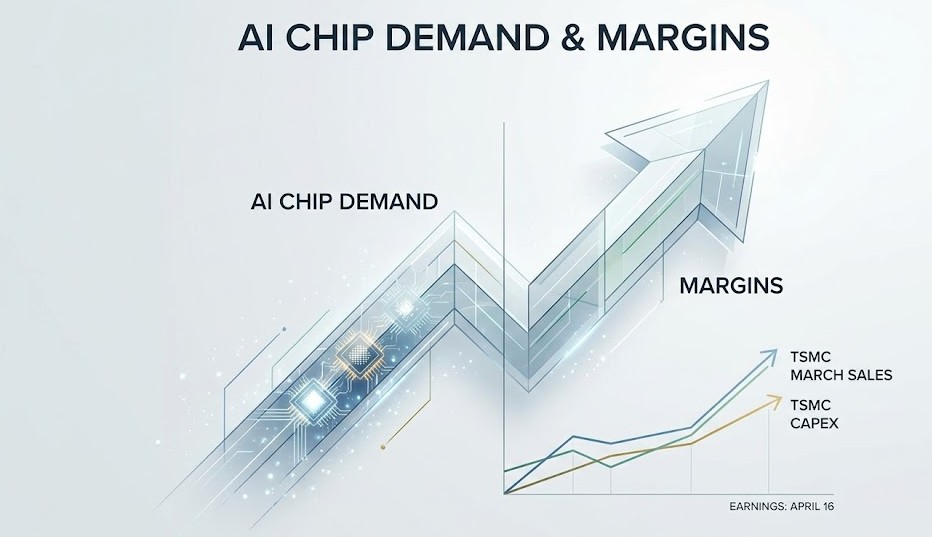
Third, secular demand from generative AI and cloud data centers is shifting incremental wafer demand toward the most advanced nodes, where TSMC commands pricing power and long lead times.
These elements matter because foundry economics are highly nonlinear. Small share gains in the most advanced nodes translate into disproportionately large revenue and operating profit contributions given the elevated ASPs (average selling prices) for cutting edge process technologies. For a company with TSMC’s customer roster, the ability to convert process leadership into sustained pricing and utilization can expand free cash flow materially over a multiyear horizon.
Market Reaction and Analyst Commentary
Investor response to the bullish narrative has been constructive, with renewed accumulation by institutional funds and selective upgrades in coverage noted in trade commentary. Analysts emphasizing structural AI demand and TSMC’s node advantage point to durable revenue streams from hyperscalers and major OEM customers that are consolidating silicon spending with a small number of trusted foundries.
Cautionary voices highlight cycle sensitivity: profitable years can be followed by softer demand as customers rebalance inventories or shift designs. Some strategists also note geopolitical and supply chain risks tied to cross strait tensions and export controls, which could influence capital flows and customer decisions.
What This Means for Investors Actionable Insights
- Positioning: Long term investors who accept foundry cyclicality may view TSMC as a core holding in semiconductor exposure given its scale, client mix and technological moat. Allocation size should reflect portfolio risk tolerance and a willingness to endure periodic volatility.
- Valuation discipline: Investors should weigh premium valuation multiples against expected cash flow improvements from advanced node pricing and capacity utilization, and consider phased buying on pullbacks rather than lump sum entry at peak enthusiasm.
- Watch the signals: Monitor capacity guidance, wafer pricing commentary, and customer concentration metrics notably revenue share from top customers as leading indicators of revenue durability and margin direction.
- Hedge geopolitical risk: Diversified exposure across geographies or instruments that provide downside protection can mitigate idiosyncratic risks tied to regional tensions or export policy changes.
Risks and Counterpoints
Key risks include potential demand slowdowns in end markets such as smartphones and consumer electronics, accelerated capital intensity that pressures near term margins, and regulatory or geopolitical disruptions that complicate cross border supply chains. Additionally, competition from other foundries and potential technological breakthroughs by rivals remain nontrivial threats to market share over a multi decade timeline.
Conclusion and Forward Looking Perspective
The recent bullish piece underscoring three reasons to buy TSMC synthesizes enduring advantages: node leadership, disciplined capital deployment, and a structural uplift from AI driven compute demand. For long term investors, those factors collectively argue for TSMC’s central role in any semiconductor allocation, but prudent risk management and valuation awareness remain essential.
Over the next 12–36 months, the company’s ability to convert advanced node dominance into sustained utilization and free cash flow will determine whether current optimism translates into measurable shareholder returns. Investor enthusiasm over TSMC’s advanced node leadership, disciplined capital plans and AI driven demand sparked renewed buying interest.