Semiconductors Beat Big Tech and Crypto in H1: Is Trade Turning?
Why Semiconductor Stocks Outperformed in the First Half of 2026
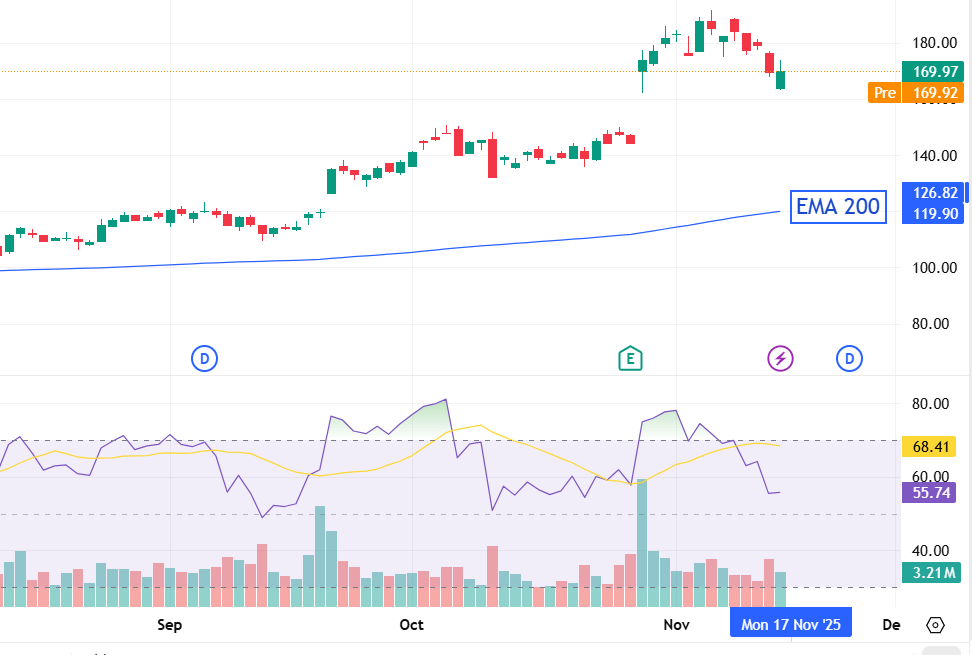
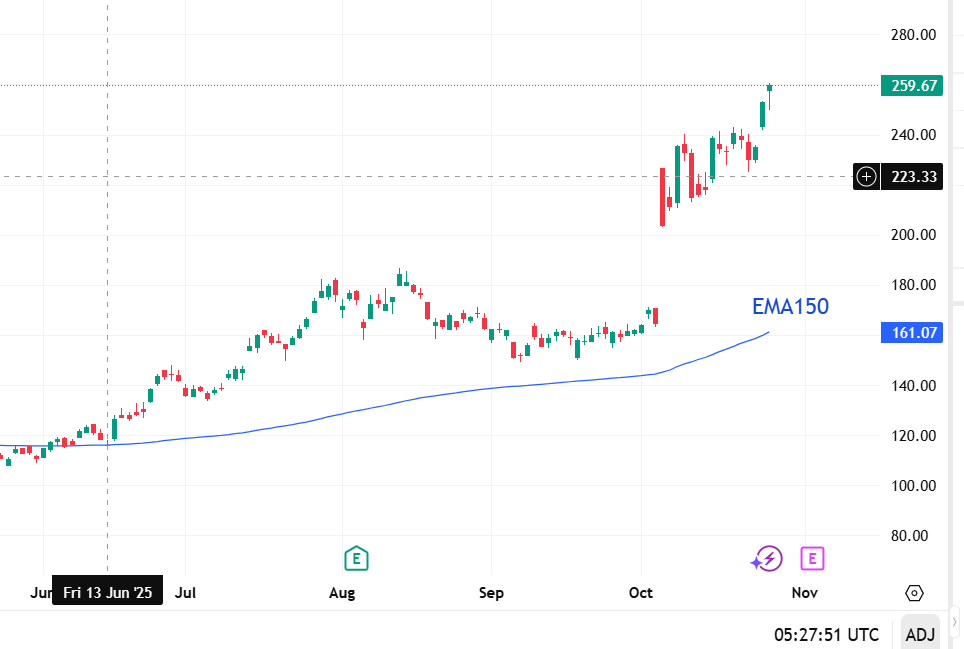
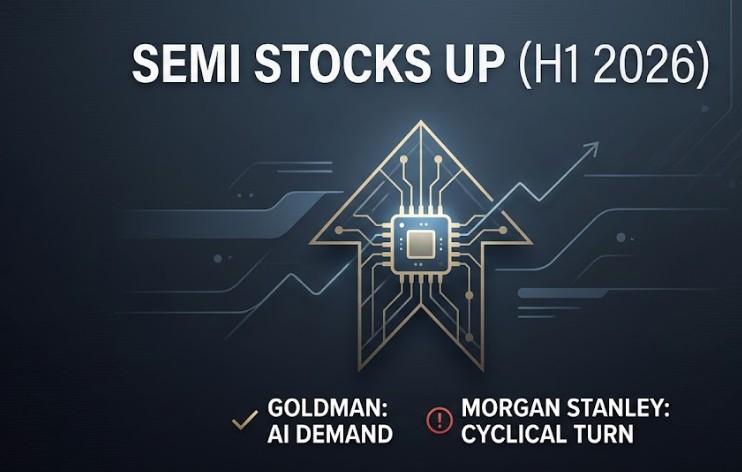
Semiconductor stocks emerged as one of the market's strongest-performing sectors during the first half of 2026, outperforming many Big Tech companies and major cryptocurrencies. Investors rotated back into chipmakers as accelerating artificial intelligence (AI) spending, improving earnings, and healthier industry fundamentals strengthened confidence in the sector. The rally has also sparked debate over whether the gains represent the beginning of a long-term structural bull market or simply another upcycle in the historically cyclical semiconductor industry.
Here's what happened
After a challenging period marked by inventory corrections and slowing demand in 2024 and parts of 2025, semiconductor companies entered 2026 with improving business conditions.
Several factors supported the sector's recovery:
- Strong demand for AI infrastructure and data center chips.
- Better-than-expected quarterly earnings from major chipmakers.
- Improving inventory levels across the semiconductor supply chain.
- Higher capital spending by cloud providers and AI companies.
- Upward earnings revisions from analysts.
These improvements helped semiconductor-focused ETFs such as SOXX and SMH outperform broader technology benchmarks during the first half of the year.
Why investors are buying semiconductor stocks
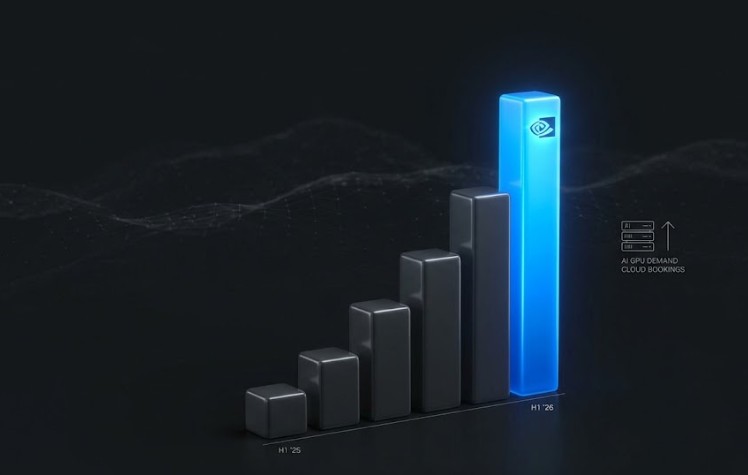
The biggest driver behind the sector's resurgence is the rapid expansion of AI infrastructure.
Companies building large AI models continue investing heavily in:
- Graphics processing units (GPUs).
- High-bandwidth memory (HBM).
- Advanced semiconductor manufacturing.
- Data center networking hardware.
- Leading-edge fabrication technologies.
This surge in spending has benefited chip designers, semiconductor manufacturers, and equipment suppliers throughout the industry.
Investment banks have also highlighted improving pricing power, stronger customer orders, and expanding profit margins as additional reasons for optimism.
Why some analysts remain cautious
Despite the strong rally, not everyone believes semiconductor stocks will continue outperforming at the same pace.
Some analysts argue that:
- Semiconductor demand remains cyclical.
- Inventory corrections could return if customer spending slows.
- AI-related capital expenditures may eventually normalize.
- Current valuations already reflect significant future growth expectations.
Because many leading semiconductor companies now trade at premium valuations, even small disappointments in earnings or guidance could trigger periods of increased volatility.
What investors should watch next
The next phase of the semiconductor rally will largely depend on whether current AI-driven demand remains sustainable.
Key indicators include:
- Quarterly earnings and revenue growth.
- AI infrastructure spending by major cloud providers.
- Semiconductor equipment orders and fab utilization rates.
- Inventory levels throughout the supply chain.
- Gross margin trends and pricing power.
- Capital expenditure guidance from leading technology companies.
Investors should also monitor geopolitical developments, including export controls and supply chain disruptions, which continue to influence the global semiconductor industry.
Risks remain
Although long-term industry fundamentals remain attractive, semiconductor stocks have historically been among the market's most volatile sectors.
Potential risks include:
- Slower-than-expected AI investment.
- Weakening enterprise technology spending.
- Inventory build-ups.
- Rising geopolitical tensions affecting chip exports.
- Valuation compression if earnings growth slows.
These factors could lead to sharp short-term corrections even if the long-term growth story remains intact.
Bottom line
Semiconductor stocks outperformed during the first half of 2026 as investors rotated into companies benefiting from strong AI-driven demand, improving earnings, healthier inventory conditions, and renewed capital spending across the technology sector. While the long-term outlook remains supported by continued investment in AI infrastructure, investors should balance optimism with caution, as the semiconductor industry remains cyclical and highly sensitive to changes in demand, valuations, and global economic conditions. Future earnings, AI spending trends, and management guidance will determine whether the sector's impressive first-half performance develops into a sustained multi-year leadership cycle.